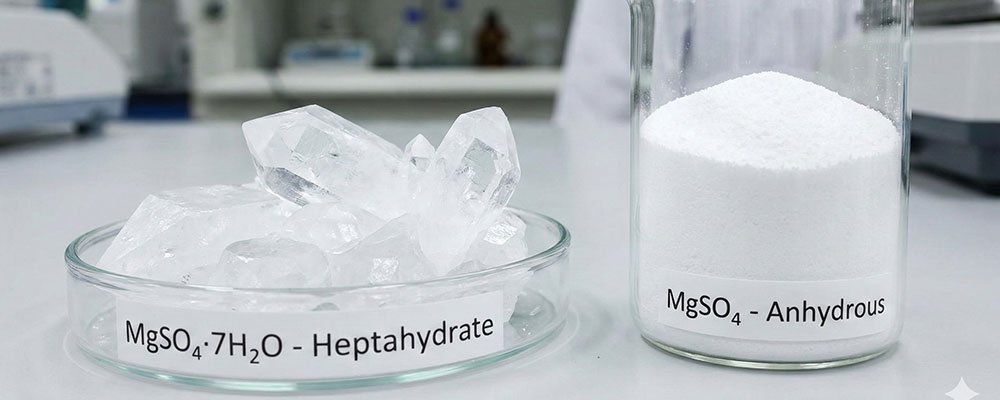
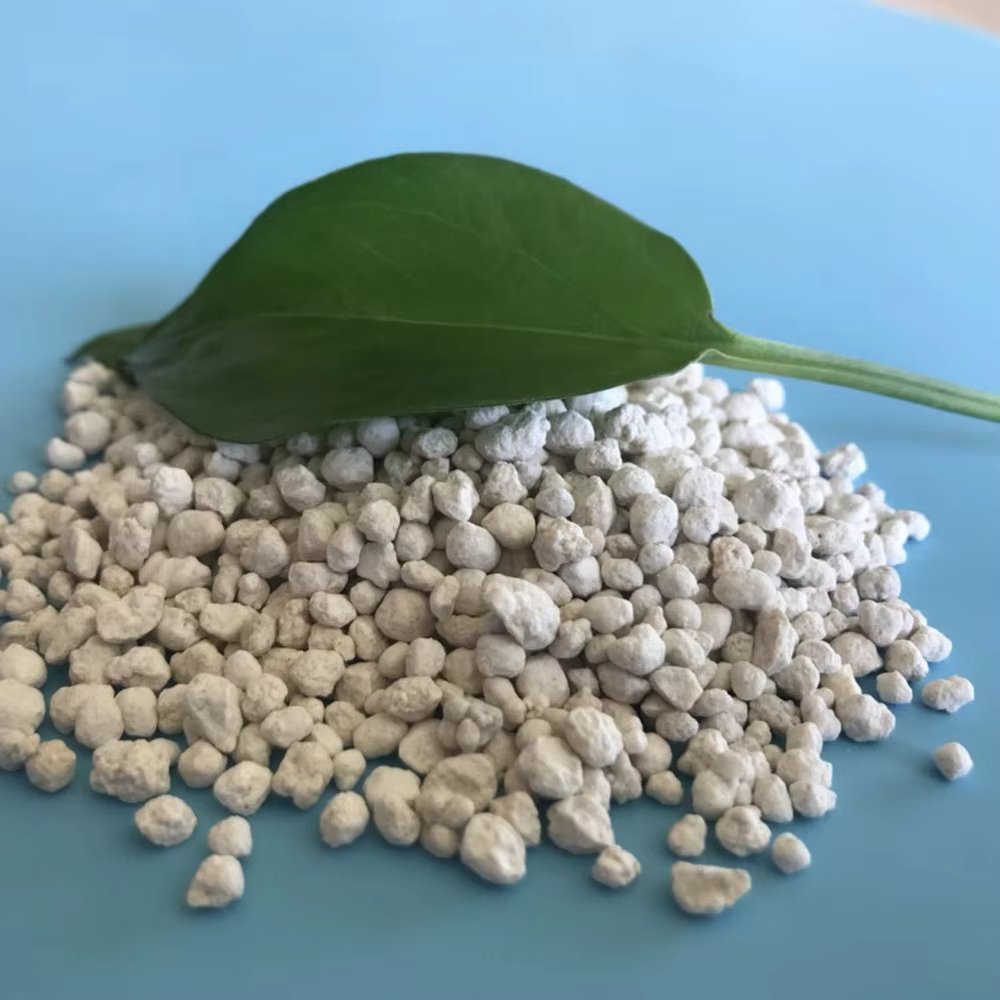
Anhydrous Magnesium Sulfate for Agriculture is recognized as a highly effective and concentrated source of Magnesium and Sulfur, providing essential nutrients that crops can directly absorb. As a core element of chlorophyll, Magnesium plays a pivotal role in photosynthesis, while Sulfur acts as a vital component of proteins and enzymes to enhance plant resilience. Understanding the proper application of this mineral significantly promotes crop growth, enhances plant vigor, and improves overall agricultural quality.
I. Advantages of Foliar Spray Application 🌿
Foliar application is the fastest way to correct magnesium deficiency.
Key Benefits Include:
- Boosts Photosynthesis: Increases greening and energy production.
- Corrects Deficiencies: Quickly treats interveinal chlorosis (yellowing between leaf veins).
- Enhances Stress Resistance: Improves tolerance to drought and cold.
- Improves Quality: Increases fruit sugar content and flavor.
II. Key Points for Foliar Spray
1. Recommended Concentration Table
The optimal concentration varies depending on the crop type and growth stage. Solutions should be scientifically formulated:
| Crop Type | Recommended Concentration |
| Fruit Trees | 0.5% – 1.0% |
| Vegetables | 0.2% – 0.5% |
| Field Crops (Rice, Cotton, Corn) | 0.3% – 0.8% |
Note: Anhydrous should be comNote: Anhydrous powder must be completely dissolved. Adjust based on the severity of deficiency.pletely dissolved before spraying. Concentrations should be adjusted based on the plant’s growth status and the severity of magnesium deficiency.
2. Application Timing
Best Time: The period from early to mid-growth stages typically yields the best results.
Growth Stage: Apply during early to mid-growth stages for best results.
Environment: Spray in the early morning or late evening. Avoid midday sun to prevent “fertilizer burn” (leaf scorch).
Coverage: Ensure you spray both the top and bottom of the leaves.
- Corrective Spray: If deficiency symptoms appear (e.g., interveinal chlorosis or leaf yellowing), prompt corrective spraying can quickly restore leaf health.
3. Spray Time of Day
- Recommendation: Apply during the cooler, gentler light hours of the early morning or late evening on a sunny day.
- Avoidance: Do not spray during high temperatures and intense sunlight at midday to prevent leaf scorch (fertilizer burn).
- Coverage: Ensure even coverage on both the top and bottom surfaces of the leaves to maximize absorption efficiency.
4. Solution Preparation
- Solubility: Anhydrous is highly water-soluble. Adhere strictly to recommended concentrations when preparing the spray solution.
- Caution: Avoid excessive use, which can lead to fertilizer damage (phytotoxicity) or inhibit the absorption of other nutrients. Adjust the dissolution ratio as needed based on local water quality to ensure a uniform and clear solution.
III. Soil Application: Base & Topdressing 💧
In addition to foliar application, anhydrous magnesium sulfate can be used as a base fertilizer, topdressing, or in fertigation . It can be blended with nitrogen , phosphorus , and potassium fertilizers to ensure balanced nutrient supply.
- Base Fertilizer: Apply before sowing to amend magnesium-poor soils.
- Topdressing: Apply during fruit enlargement to boost yield.
- Fertigation: Perfect for drip irrigation due to its high solubility.
Guidance: The application method should be selected flexibly based on soil test results and crop type to achieve the best nutritional supplement effect.
IV. Conclusion
Anhydrous Magnesium Sulfate is a versatile, high-quality fertilizer that offers both rapid effectiveness (via foliar spray) and long-term nutrient supply (via soil application).
Its scientific and rational use enhances crop photosynthetic efficiency and stress resistance while substantially improving the quality and yield of agricultural products, making it an essential nutrient supplement in modern, high-efficiency agriculture.
Common Questions (FAQ):
Q: Can I mix Anhydrous Magnesium Sulfate with other fertilizers?
- A: Yes, it blends well with Nitrogen, Phosphorus, and Potassium (NPK) fertilizers. However, always perform a small-scale compatibility test before large-scale mixing.
Q: Why choose Anhydrous over Heptahydrate?
- A: Anhydrous contains a higher concentration of Magnesium per ton, which reduces storage and transportation costs for large-scale farms.