Safety Information
Risk Phrases
R36: Irritating to eyes.
Safety Phrases
S22: Do not breathe dust.
S24: Avoid contact with skin.
System Numbers
CAS No.: 10035-04-8
EINECS No.: 233-140-8
Physical and Chemical Properties
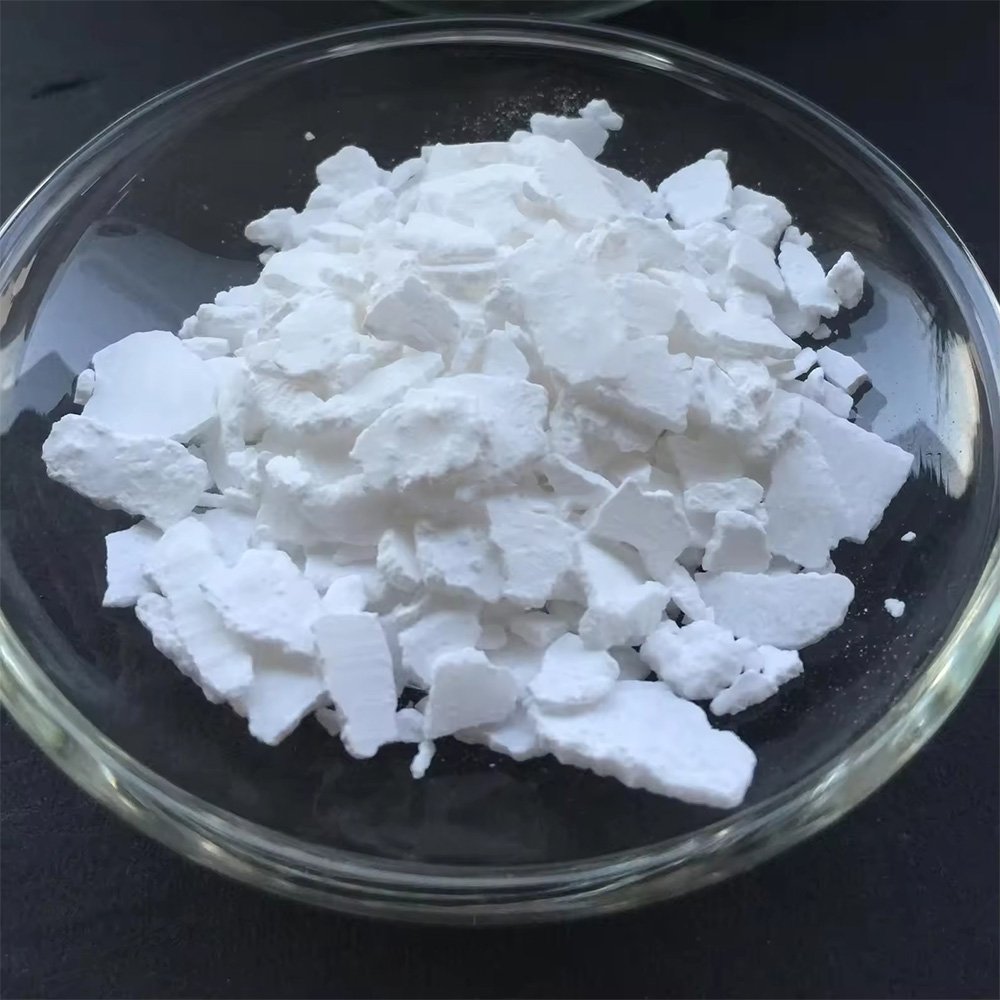
Colorless cubic crystals, white or grayish white, granular, honeycomb [lump, spherical, irregular granular, powder]. Non-toxic, odorless, slightly bitter taste. Relative density 2.15 (25℃). Melting point 782℃. Boiling point above 1600℃. Extremely hygroscopic, easily deliquescent when exposed to air. Easily soluble in water, releasing a large amount of heat simultaneously; its aqueous solution is slightly alkaline. Soluble in alcohol, acetone, and acetic acid. Reacts with ammonia or ethanol to form CaCl2·8NH3 and CaCl2·4C2H5OH complexes, respectively. At low temperatures, the solution crystallizes to form the hexahydrate, which gradually dissolves in its own crystal water when heated to 30℃. Further heating gradually removes water, becoming the dihydrate at 200℃, and then anhydrous calcium chloride (white porous solid) at 260℃.
Quality Specifications
Quality specifications for industrial calcium chloride dihydrate:
Indicator Name First Grade Qualified Grade
Appearance Grayish-white flake or lump solid
Mass fraction of calcium chloride dihydrate (calculated as CaCl2)/% ≥ 70.0 68.0
Magnesium and alkali metal chlorides (calculated as NaCl)/% ≤ 4.0 5.5
Water-insoluble matter/% ≤ 0.20 0.30
Acidity/% ≤ Passes test
Alkalinity (calculated as Ca(OH)2)/% ≤ 0.35 0.35
Sulfate (calculated as CaSO4)/% ≤ 0.20 0.30
Measurement Methods
Calcium Chloride (CaCl2)% ≥
74.0-77.0
90.0-95.0
HG/T2327-92
Magnesium and alkali metal chlorides (calculated as sodium chloride)%
5
3
HG/T2327-92
Water-insoluble matter% ≤
0.5
0.5
HG/T2327-92
Alkalinity (calculated as Ca(OH)2)% ≤
0.35
0.35
HG/T2327-92
Sulfate (calculated as CaSO4)% ≤
0.1
0.1
HG/T2327-92
PH value
8-10
8-10
HG/T2327-92
Technical Standards for Food Grade Calcium Chloride
Analysis Item Technical Indicator 1
Technical Indicator 2
Measurement Method
Calcium Chloride (CaCl2)% ≥
72-77
88-90
HG/T2327-92
Magnesium and alkali metal chlorides (calculated as NaCl)%
4.8
5.5
Spectrophotometry
Water-insoluble matter % ≤
0.1
0.1
Spectrophotometry
Acidity/Alkalinity % ≤
Complies with regulations
Complies with regulations
HG/T2327-92
Alkalinity % ≤
0.35
0.35
Spectrophotometry
Arsenic % ≤
0.0003
0.0003
Spectrophotometry
Heavy metals (Pb)% ≤
0.001
0.001
Product Uses
Due to its exothermic reaction with water and low freezing point, calcium chloride dihydrate is commonly used for snow melting and de-icing on roads, highways, parking lots, and docks. It also has strong water absorption properties and can be used as a desiccant, such as for drying gases like nitrogen, oxygen, hydrogen, hydrogen chloride, and sulfur dioxide. It is also an excellent material for fog dispersal in ports and dust control on roads, and for fireproofing fabrics. Used as a dehydrating agent in the production of alcohols, esters, ethers, and acrylic resins. Calcium chloride aqueous solution is an important refrigerant medium for refrigerators and ice making. It can also accelerate the hardening of concrete and increase the frost resistance of building mortar, making it an excellent building antifreeze. Used as a protective agent and refining agent in aluminum and magnesium metallurgy. It is a precipitating agent in the production of lake pigments. Used for deinking in waste paper processing. It is a raw material for the production of calcium salts. Calcium chloride solution is used as a flocculant in the sodium alginate and soy product industries.
Storage and Transportation Characteristics
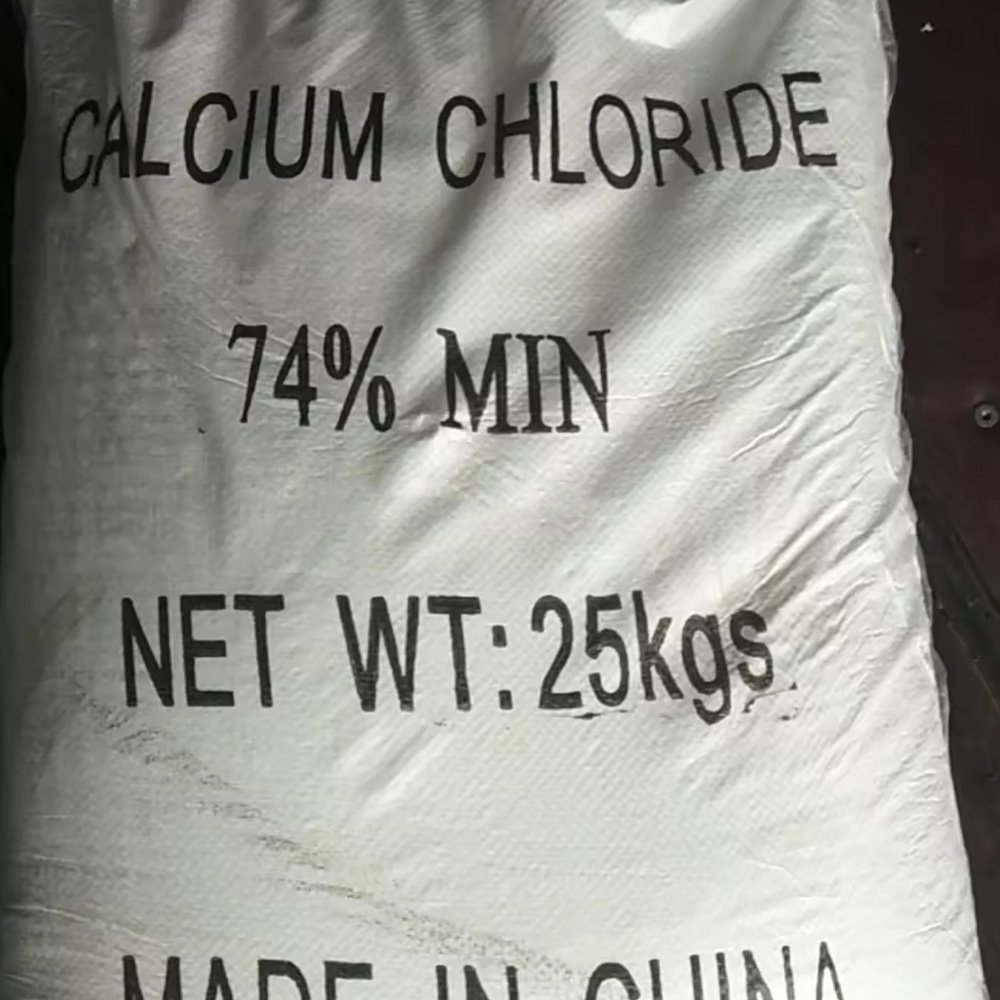
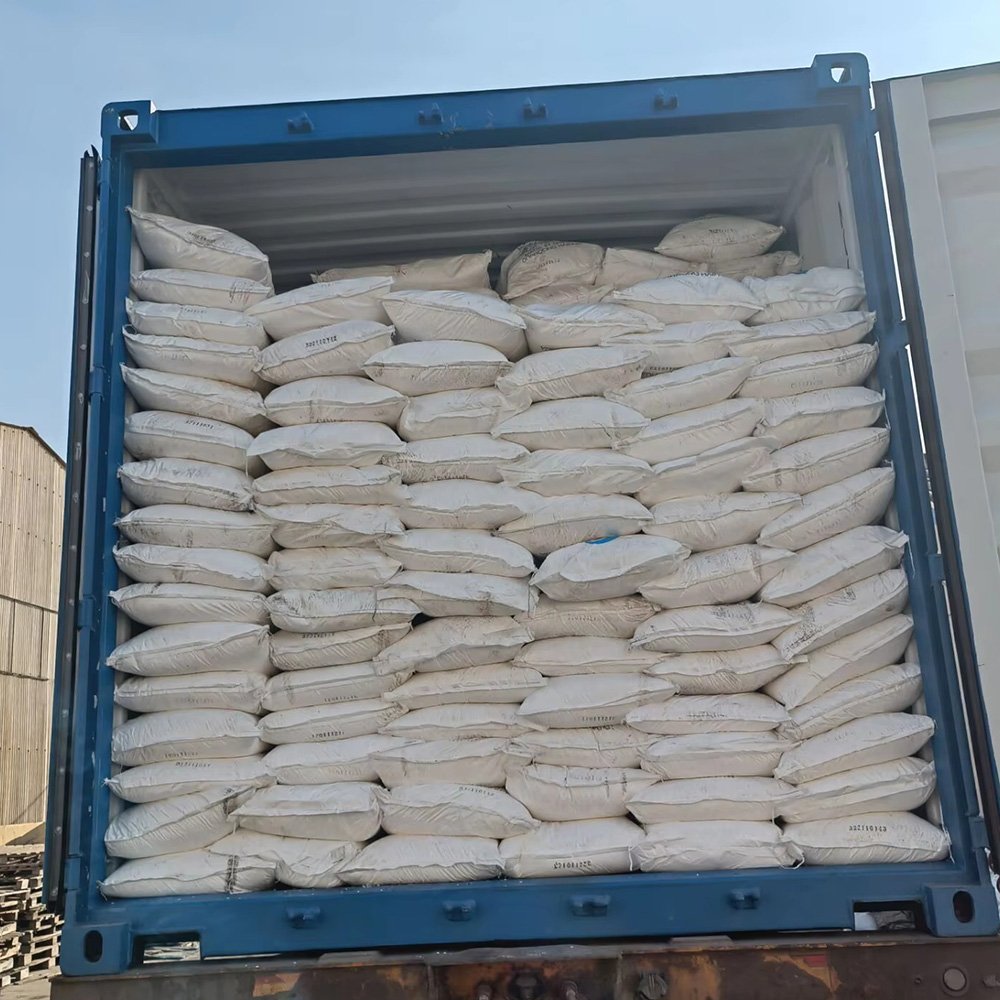
Store in a cool, dry, and well-ventilated place, away from incompatible substances. Keep the container tightly closed. Block-shaped calcium chloride dihydrate is packaged in open-top iron drums, with a net weight of 200kg per drum; flake-shaped calcium chloride dihydrate is packaged in woven bags lined with plastic bags, with a net weight of 25kg or 50kg per bag. Storage and transportation are similar to anhydrous calcium chloride.