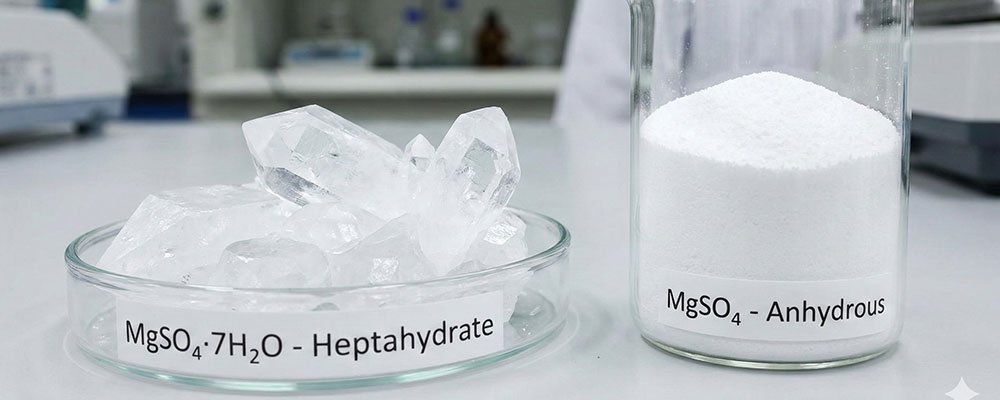

Calcium chloride dihydrate might sound like a complex chemical, but it plays a crucial role in various everyday applications. Understanding its benefits and uses can help you appreciate its importance in industries ranging from food preservation to industrial manufacturing. In this article, we will explore what calcium chloride dihydrate is, its formula, safety considerations, and its diverse applications.
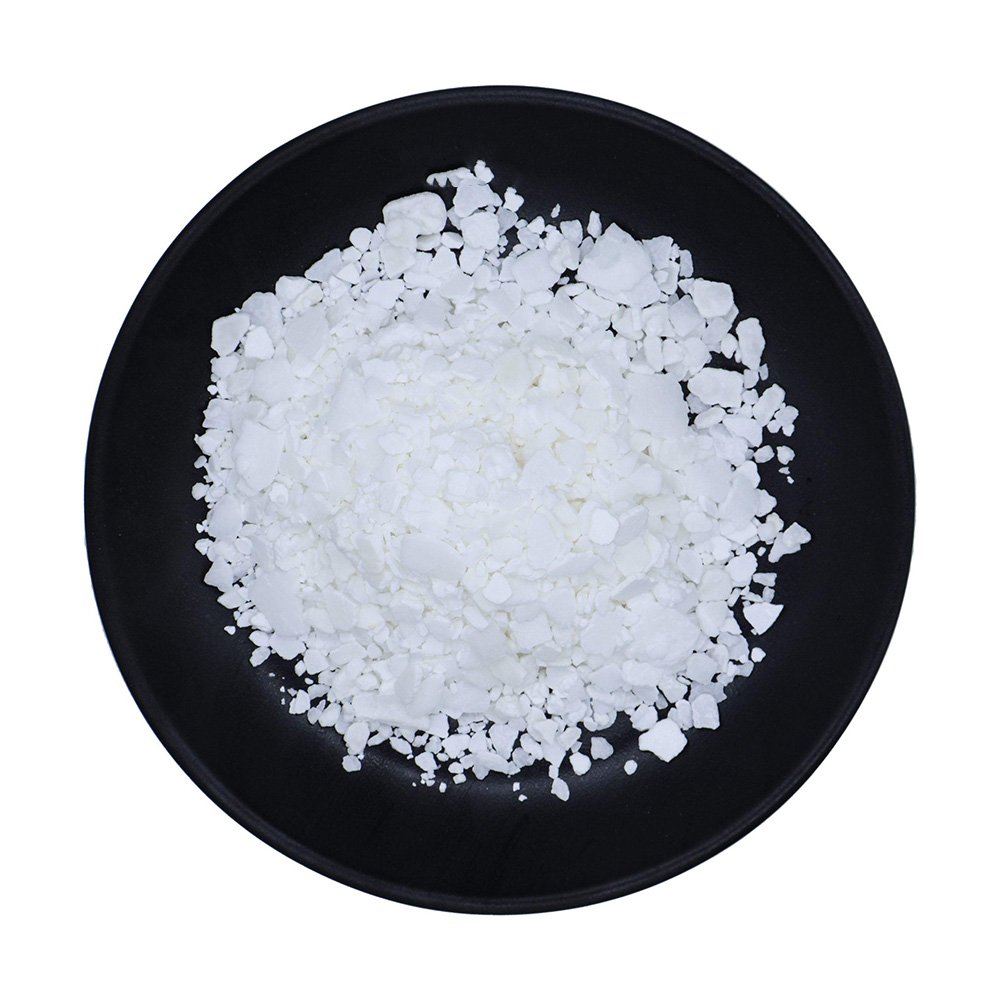
Calcium chloride dihydrate is a white, crystalline compound with the chemical formula CaCl₂·2H₂O. This means that for every calcium chloride molecule, there are two water molecules attached. It is hygroscopic, meaning it can absorb moisture from the environment, which makes it useful in various applications.
The Chemical Formula
The formula for calcium chloride dihydrate is CaCl₂·2H₂O. This indicates that the compound is composed of one calcium ion (Ca²⁺), two chloride ions (Cl⁻), and two water molecules (H₂O). This hydrated form of calcium chloride is commonly used because it is more stable and easier to handle than anhydrous calcium chloride.
Structural Stability
The additional water molecules in calcium chloride dihydrate contribute to its structural stability. This stability is crucial for storage and transportation, ensuring that the compound does not decompose easily. The structure also influences how it interacts with other substances, making it suitable for various industrial processes.
Hydration Process
The hydration process involves the attachment of water molecules to the calcium chloride. This process is reversible, allowing the compound to release or absorb moisture as needed. This characteristic is particularly valuable in applications like humidity control and desiccation.
Comparative Analysis
When comparing calcium chloride dihydrate to its anhydrous counterpart, several differences become apparent. While both forms are effective in moisture absorption, the dihydrate is preferred for applications where handling ease and stability are priorities. Its hydrated state also makes it less reactive than the anhydrous form, reducing potential hazards.
Safety and Handling
Material Safety Data Sheet (MSDS)
When working with calcium chloride dihydrate, it’s essential to understand its safety data. The Material Safety Data Sheet (MSDS) provides detailed information on handling, storage, and emergency measures. It is crucial for ensuring safe use, especially in industrial settings.
Detailed Hazard Information
The MSDS includes comprehensive details on potential hazards associated with calcium chloride dihydrate. It outlines health risks, environmental impacts, and necessary precautions to minimize exposure. This information is vital for maintaining a safe working environment.
Emergency Protocols
Emergency protocols specified in the MSDS guide users on the steps to take in case of accidental exposure or spillage. These protocols include first aid measures and spill containment strategies, ensuring that any incidents are managed effectively and safely.
Storage Recommendations
Proper storage is a critical aspect of handling calcium chloride dihydrate. The MSDS outlines optimal storage conditions, such as temperature and humidity levels, to maintain the compound’s integrity. Following these guidelines helps prevent degradation and prolongs the compound’s usability.
Safety Data Sheet (SDS)
The Safety Data Sheet (SDS) for calcium chloride dihydrate is similar to the MSDS but follows a more standardized format. It includes information on potential hazards, first aid measures, and safe handling procedures. For anyone using or working with this compound, reviewing the SDS is a must.
Standardized Information Format
The SDS follows a globally standardized format, making it easier to understand and use across different regions and industries. This consistency ensures that vital safety information is accessible and clear, regardless of the user’s location.
Comprehensive Safety Measures
In addition to hazard information, the SDS provides detailed safety measures for handling and use. These measures include personal protective equipment recommendations and guidelines for safe disposal, promoting responsible usage.
Regulatory Compliance
Adhering to the SDS is essential for regulatory compliance. It ensures that industries meet legal safety standards, reducing the risk of legal issues and enhancing workplace safety. Compliance with SDS guidelines is a key component of responsible chemical management.
Applications of Calcium Chloride Dihydrate

Calcium chloride dihydrate is incredibly versatile. Its ability to absorb moisture makes it valuable in numerous applications, ranging from de-icing roads to preserving food. Here are some of its primary uses:
De-icing and Dust Control
One of the most common uses of calcium chloride dihydrate is for de-icing roads and sidewalks. Its hygroscopic nature allows it to lower the freezing point of water, effectively melting ice and snow. Additionally, it is used for dust control on unpaved roads, where it helps to keep dust particles from becoming airborne.
Mechanism of Ice Melting
The mechanism by which calcium chloride dihydrate melts ice involves lowering the freezing point of water. When applied to icy surfaces, it dissolves and forms a brine that disrupts the ice’s solid structure, facilitating melting even at lower temperatures. This efficiency makes it a preferred choice for winter road maintenance.
Dust Suppression Techniques
In dust control, calcium chloride dihydrate acts by attracting moisture from the air, which binds dust particles together. This technique is particularly effective on unpaved roads and construction sites, reducing dust emissions and improving air quality for workers and nearby communities.
Environmental Considerations
While effective, the environmental impact of using calcium chloride dihydrate for de-icing and dust control is a consideration. It is less corrosive than other salts, which minimizes damage to vehicles and infrastructure. Additionally, its application requires careful planning to avoid potential harm to vegetation and waterways.
Food Preservation
In the food industry, calcium chloride dihydrate is used as a firming agent. It helps maintain the texture of fruits and vegetables by preventing them from becoming mushy. It is also used in cheese-making to improve the setting of curds.
Firming Agent in Produce
As a firming agent, calcium chloride dihydrate helps extend the shelf life of produce. By maintaining firmness, it ensures fruits and vegetables remain appealing to consumers, reducing food waste and improving profitability for retailers.
Role in Cheese Production
In cheese-making, calcium chloride dihydrate plays a critical role in curd formation. It aids in the coagulation process, allowing for a more efficient separation of whey and curds. This results in a higher yield and a more consistent texture in the final cheese product.
Nutritional Impact
The use of calcium chloride dihydrate in food preservation is generally recognized as safe. It does not significantly alter the nutritional content of foods, and its application is carefully regulated to ensure consumer safety. This makes it a reliable additive in food processing.
Pharmaceutical and Laboratory Uses
In laboratories, calcium chloride dihydrate is used as a drying agent due to its ability to absorb moisture. It is also utilized in the pharmaceutical industry for various formulations and treatments.
Moisture Control in Labs
In laboratory settings, calcium chloride dihydrate is employed to maintain dry environments. Its moisture-absorbing properties are crucial for experiments that require precise humidity levels, ensuring accurate and reliable results.
Pharmaceutical Formulations
In pharmaceuticals, calcium chloride dihydrate serves multiple purposes, from acting as an excipient to stabilizing active ingredients. Its compatibility with various substances makes it a versatile component in drug formulation, enhancing product efficacy and shelf life.
Research and Development
Calcium chloride dihydrate is also pivotal in research and development within the pharmaceutical industry. Its use in pilot studies and formulation trials aids in the discovery of new drugs and treatments, contributing to advancements in healthcare.
Water Treatment
Calcium chloride dihydrate plays a role in water treatment processes. It helps to remove impurities and soften water, making it suitable for industrial and residential use.
Softening Hard Water
In water treatment, calcium chloride dihydrate is used to soften hard water by precipitating out calcium and magnesium ions. This softening process is essential for preventing scale buildup in pipes and appliances, extending their lifespan and improving efficiency.
Impurity Removal
The compound’s ability to remove impurities is beneficial in both municipal and industrial water treatment. It aids in the clarification of water, making it safer for consumption and use. This application is critical for maintaining public health standards.
Environmental Benefits
Using calcium chloride dihydrate in water treatment offers environmental benefits by reducing the need for more hazardous chemicals. Its application is relatively safe, and it contributes to sustainable water management practices by promoting cleaner water systems.
Benefits of Using Calcium Chloride Dihydrate

Hygroscopic Properties
The hygroscopic nature of calcium chloride dihydrate makes it ideal for applications requiring moisture control. Its ability to absorb water helps in de-icing, dust control, and preserving food.
Efficient Moisture Absorption
Calcium chloride dihydrate’s hygroscopic properties allow it to absorb significant amounts of moisture, making it highly effective in controlling humidity. This efficiency is crucial in applications where moisture levels need to be managed precisely, such as in packaging and storage.
Application in Various Climates
Its effectiveness in moisture absorption makes calcium chloride dihydrate suitable for diverse climatic conditions. Whether in arid regions or humid environments, it consistently delivers reliable performance, highlighting its adaptability across different settings.
Long-Term Stability
The long-term stability provided by calcium chloride dihydrate’s moisture control capabilities ensures that products and processes maintain their integrity over time. This stability is vital for industries that require consistent quality and performance from their materials.
Versatility
Calcium chloride dihydrate’s versatility is one of its greatest strengths. It can be used in a wide range of industries, from agriculture to pharmaceuticals, demonstrating its broad applicability.
Cross-Industry Applications
The compound’s versatility is evident in its cross-industry applications. From acting as a de-icer in transportation to a firming agent in food processing, its uses are vast and varied, showcasing its flexibility and utility across sectors.
Customizable Solutions
Calcium chloride dihydrate can be tailored to meet specific industry needs. Its properties can be optimized for particular applications, providing customized solutions that enhance efficiency and effectiveness in various processes.
Supporting Innovation
Its adaptability supports innovation by allowing industries to explore new applications and processes. As technology advances, calcium chloride dihydrate continues to find new roles, contributing to the development of cutting-edge solutions and products.
Cost-Effectiveness
Compared to other chemical compounds, calcium chloride dihydrate is relatively inexpensive. This cost-effectiveness makes it a popular choice for large-scale industrial applications.
Affordable Raw Material
The affordability of calcium chloride dihydrate as a raw material makes it accessible for businesses of all sizes. Its cost-effectiveness is particularly advantageous for small and medium enterprises looking to optimize their operations without compromising quality.
Economic Benefits
By reducing operational costs, calcium chloride dihydrate contributes to improved economic performance for industries. Its use can lead to significant savings in manufacturing, transportation, and maintenance, bolstering profitability.
Competitive Advantage
The cost-effectiveness of calcium chloride dihydrate provides a competitive advantage for companies that incorporate it into their processes. This advantage allows them to offer competitive pricing and maintain market leadership in their respective industries.
Environmental Impact
Calcium chloride dihydrate is less harmful to the environment than other de-icing agents. It is less corrosive, reducing the damage to roads and infrastructure, and it is considered safer for plants and animals.
Reduced Corrosion
Its lower corrosivity compared to other salts reduces infrastructure damage, leading to lower maintenance costs for roads and vehicles. This reduction in corrosion extends the lifespan of infrastructure, offering long-term environmental and economic benefits.
Safer for Ecosystems
Calcium chloride dihydrate’s relative safety for plants and animals minimizes ecological disruption when used in outdoor applications. Its environmental friendliness supports sustainability initiatives and promotes responsible chemical use.
Contribution to Sustainability
By offering a safer alternative to more harmful chemicals, calcium chloride dihydrate contributes to sustainability goals. Its use aligns with efforts to reduce environmental impact and protect natural resources, supporting a more sustainable future.
Conclusion
Calcium chloride dihydrate may not be a household name, but its applications are all around us. From de-icing roads to keeping our favorite foods fresh, its benefits are vast and varied. Understanding its chemical properties, safety measures, and diverse uses can help us appreciate this compound’s significant role in our daily lives. Whether you are in the food industry, pharmaceuticals, or just trying to keep your driveway ice-free, calcium chloride dihydrate is an invaluable resource.
In summary, calcium chloride dihydrate is a versatile and essential chemical compound with applications that improve our safety, convenience, and quality of life. By leveraging its unique properties, industries can enhance their processes while minimizing costs and environmental impact. As we continue to discover new applications, calcium chloride dihydrate’s importance will only grow, solidifying its place in both industrial and everyday settings.