Introduction
Magnesium sulphate manufacturing process refers to the industrial methods used to produce magnesium sulphate in different commercial forms, including magnesium sulphate heptahydrate and anhydrous magnesium sulfate. In large-scale production, magnesium-containing raw materials react with sulfuric acid under controlled conditions to form magnesium sulphate solution, which is then purified, crystallized, and dried according to the desired final grade.
This article provides a comprehensive overview of the magnesium sulphate manufacturing process, covering raw materials, main production routes, key processing steps, and differences between hydrated and anhydrous products. It is intended to help industrial buyers, engineers, and technical professionals understand how magnesium sulphate is produced in commercial manufacturing environments.
Overview of Magnesium Sulphate Manufacturing Process
The magnesium sulphate manufacturing process is based on an acid–base reaction between magnesium-rich materials and sulfuric acid. Depending on the target application and product specification, manufacturers may produce hydrated magnesium sulphate crystals or further process the material into an anhydrous form.
In industrial practice, the process typically includes raw material preparation, acid reaction, solution purification, crystallization, solid–liquid separation, and drying. Production can be operated in batch or continuous systems, depending on plant capacity and quality requirements. The choice of process parameters such as temperature, concentration, and drying conditions plays a critical role in determining product purity, moisture content, and crystal structure.
Manufacturers choose between these two modes based on their production scale and flexibility requirements:
| Feature | Batch Process | Continuous Process |
| Operational Logic | Ingredients are processed in distinct lots. Each stage must finish before the next begins. | Raw materials flow through the system constantly, with product output at the end. |
| Flexibility | Higher; easier to switch between different grades or product types. | Lower; designed for high-volume production of a single specification. |
| Quality Control | Easier to isolate and test specific batches for compliance. | Requires automated, real-time monitoring to ensure consistent quality. |
| Efficiency | Generally more labor-intensive with more downtime between runs. | Higher energy and labor efficiency; ideal for 24/7 large-scale operations. |
Raw Materials Used in Magnesium Sulphate Production
Several magnesium-containing raw materials can be used in magnesium sulphate manufacturing, depending on availability, cost, and desired product grade. Common raw materials include magnesium oxide, magnesium carbonate, and magnesium-rich brine or seawater-derived sources.
Sulfuric acid is the primary reacting agent in the process and must meet industrial purity standards to ensure consistent product quality. Water is also an essential component, serving as the reaction medium and influencing crystallization behavior. Proper selection and control of raw materials are essential for achieving stable production and meeting application-specific requirements in agriculture, industry, pharmaceutical, and food-related uses.
Common Raw Materials
The choice of raw materials often depends on regional availability and the desired purity of the end product:
- Magnesium Oxide (MgO): Often used for high-purity or pharmaceutical-grade production.
- Magnesium Carbonate (MgCO3) / Magnesite: A widely used mineral source for industrial-grade output.
- Magnesium Hydroxide (Mg(OH)2): Utilized in specific neutralization setups.
- Kieserite or Bittern: In some regions, magnesium sulfate is extracted directly from natural salt deposits or seawater bittern through physical separation and refining.
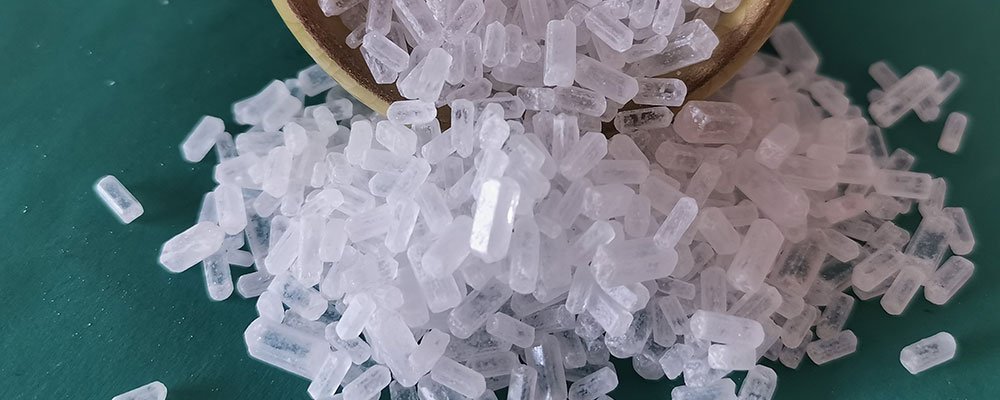
Industrial Manufacturing Process of Magnesium Sulphate
The industrial manufacturing process of magnesium sulphate generally follows a series of well-defined steps designed to ensure efficient reaction, purification, and product formation.
Acid Reaction and Solution Preparation
Magnesium-containing raw materials react with sulfuric acid to form magnesium sulphate solution. The reaction is carefully controlled to ensure complete conversion and minimize impurities.
Purification and Filtration
After the reaction, the solution is purified to remove insoluble residues and unwanted by-products. Filtration and clarification improve product purity and consistency.
Crystallization and Separation
The purified solution undergoes controlled cooling or evaporation to promote crystallization. The resulting magnesium sulphate crystals are separated from the mother liquor using centrifuges or filtration equipment.
Different Final Product Forms
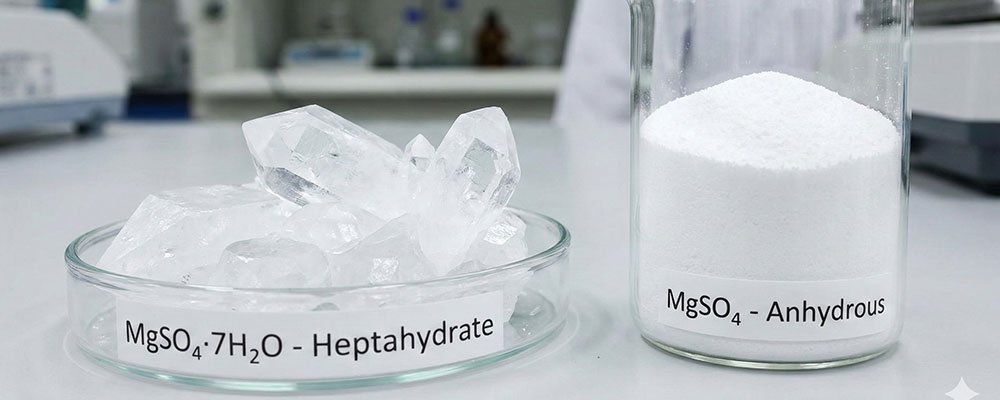
Magnesium sulfate is versatile and exists in various hydration states:
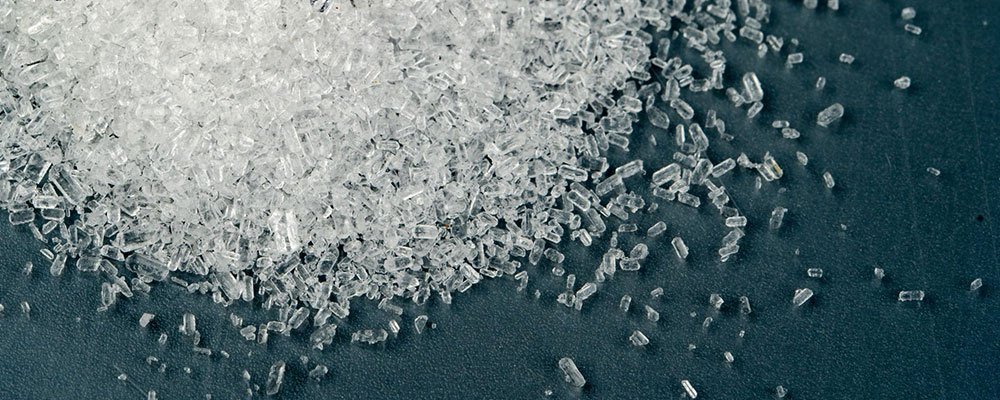
- Heptahydrate (MgSO4·7H2O): Known as Epsom Salt, used in agriculture and medicine.
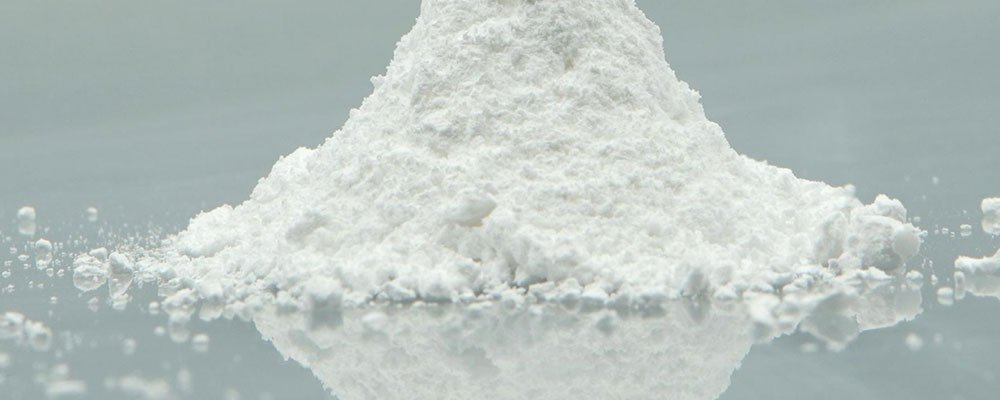
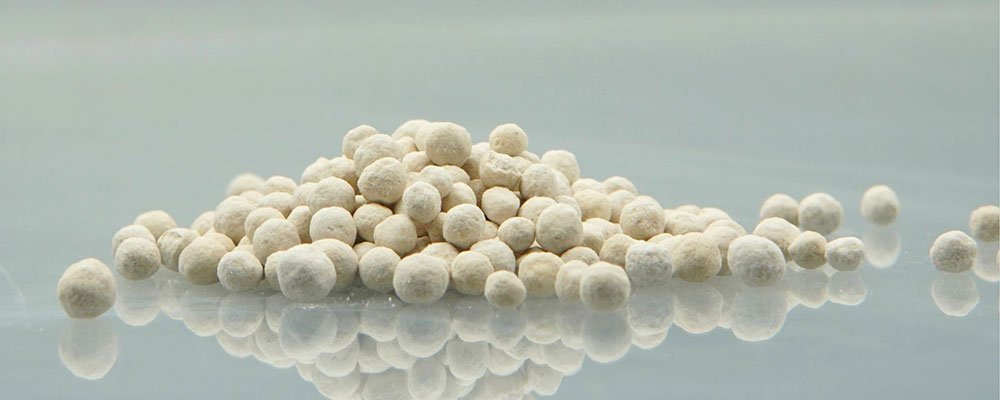
- Monohydrate (MgSO4·H2O): Often produced as Kieserite powder or granules.
- Anhydrous (MgSO4): A water-free form used primarily as a desiccant.
Drying and Packaging
Depending on the required final form, the product may be partially dried to obtain hydrated magnesium sulphate or further processed under higher temperatures to produce anhydrous magnesium sulfate. The finished product is then packaged for storage and distribution.
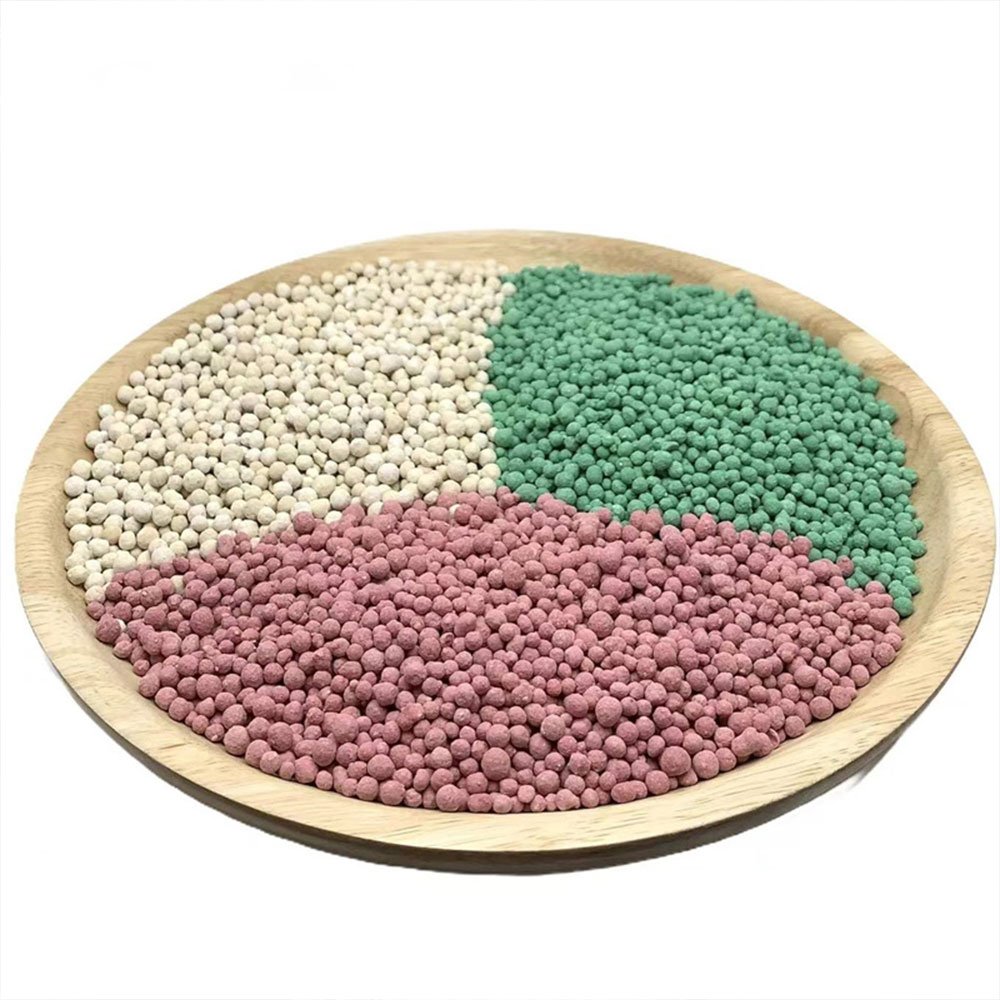
Difference Between Anhydrous and Hydrated Magnesium Sulphate Production
Although both products share similar raw materials and reaction principles, the manufacturing process differs significantly between anhydrous and hydrated magnesium sulphate.
Hydrated magnesium sulphate, such as magnesium sulphate heptahydrate, is produced through controlled crystallization at relatively low temperatures. The presence of water molecules is maintained during crystallization, resulting in stable hydrated crystals suitable for agriculture, food, and pharmaceutical applications.
In contrast, anhydrous magnesium sulfate is manufactured by applying additional thermal treatment to remove crystal water from hydrated magnesium sulphate. This dehydration process requires precise temperature control to prevent decomposition and ensure consistent product quality. As a result, anhydrous magnesium sulfate is mainly used in industrial and chemical applications where low moisture content is critical.
Key differences include:
- Process temperature: Higher for anhydrous production
- Moisture content: Hydrated vs. near-zero moisture
- Energy consumption: Higher for anhydrous grades
- Application focus: Industrial vs. agriculture and food uses
👉 For detailed technical steps, see our dedicated guide on the manufacturing process of anhydrous magnesium sulfate.
Quality Control in Magnesium Sulphate Manufacturing
Quality control is a critical component of the magnesium sulphate manufacturing process, especially for products used in agriculture, pharmaceuticals, and industrial formulations. Manufacturers implement strict quality checks at each stage of production to ensure consistency and compliance with application standards.
Key quality parameters typically include chemical purity, moisture content, particle size distribution, and solubility. During production, raw materials are tested to confirm their suitability, while intermediate solutions are monitored to control reaction efficiency and impurity levels.
Final product testing ensures that magnesium sulphate meets customer specifications and regulatory requirements. Proper quality control not only improves product performance but also enhances reliability for downstream processing and long-term storage.
Frequently Asked Questions About Magnesium Sulphate Manufacturing Process
What is the most common magnesium sulphate manufacturing process?
The most common process involves reacting magnesium-containing raw materials with sulfuric acid, followed by purification, crystallization, separation, and drying. The exact steps depend on whether hydrated or anhydrous magnesium sulphate is required.
What raw materials are used to produce magnesium sulphate?
Common raw materials include magnesium oxide, magnesium carbonate, and magnesium-rich brine or seawater-derived sources, combined with industrial-grade sulfuric acid and water.
What is the difference between magnesium sulphate heptahydrate and anhydrous magnesium sulfate?
Magnesium sulphate heptahydrate contains crystal water and is produced through low-temperature crystallization, while anhydrous magnesium sulfate undergoes additional high-temperature dehydration to remove moisture, resulting in a dry, water-free product.