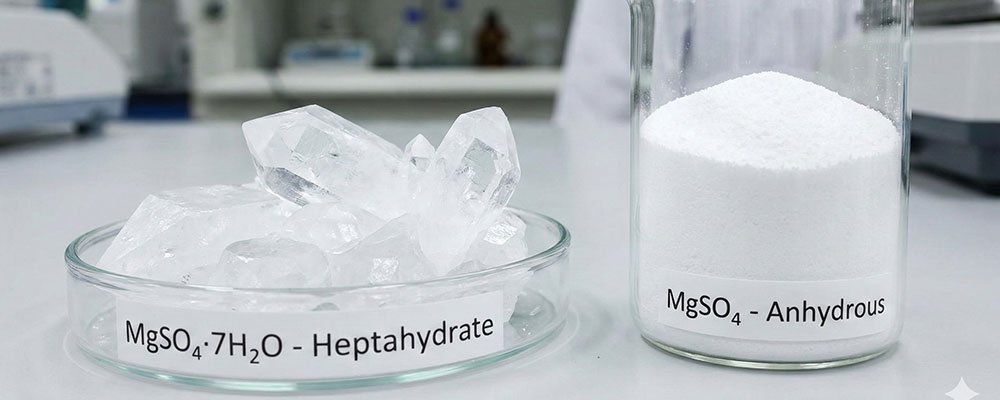
Meta Description: Discover how Kieserite (MgSO4·H2O) and Magnesium Sulfate (MgSO4·7H2O) effectively treat magnesium deficiency in oil palms to maximize fruit bunch weight and OER.
Product Overview
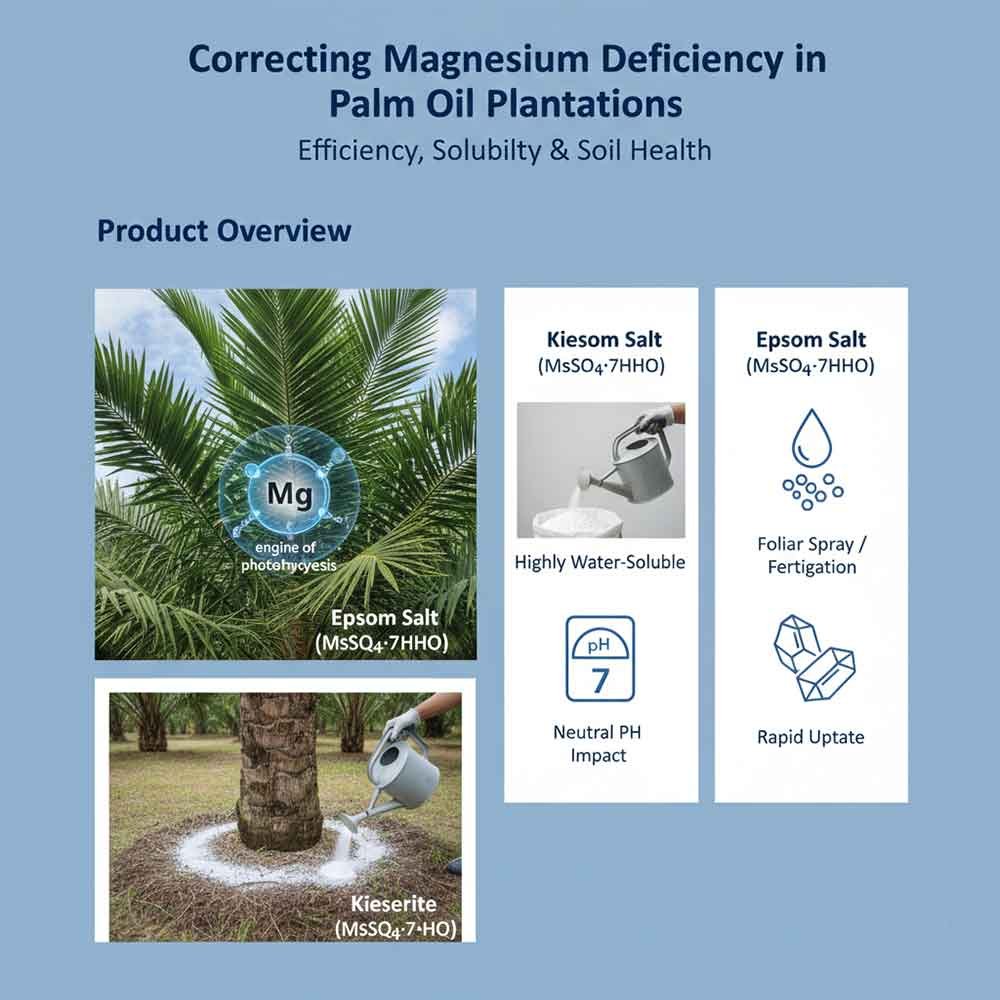
Magnesium (Mg) is the central atom of the chlorophyll molecule, making it the “engine” of photosynthesis in oil palms (Elaeis guineensis). In commercial plantations, Kieserite (Magnesium Sulfate Monohydrate, MgSO4·H2O) and Epsom Salt (Magnesium Sulfate Heptahydrate, MgSO4·7H2O) are the gold standards for rapid magnesium delivery.
Unlike carbonate-based magnesium sources like dolomite, Kieserite is a sulfate-based mineral. It is highly water-soluble, providing both Magnesium and Sulfur (S) in a form that palm roots can absorb immediately, regardless of soil pH levels.
Application Scenarios
Magnesium deficiency is a common “silent killer” of yield in tropical soils, which are often acidic and prone to leaching.
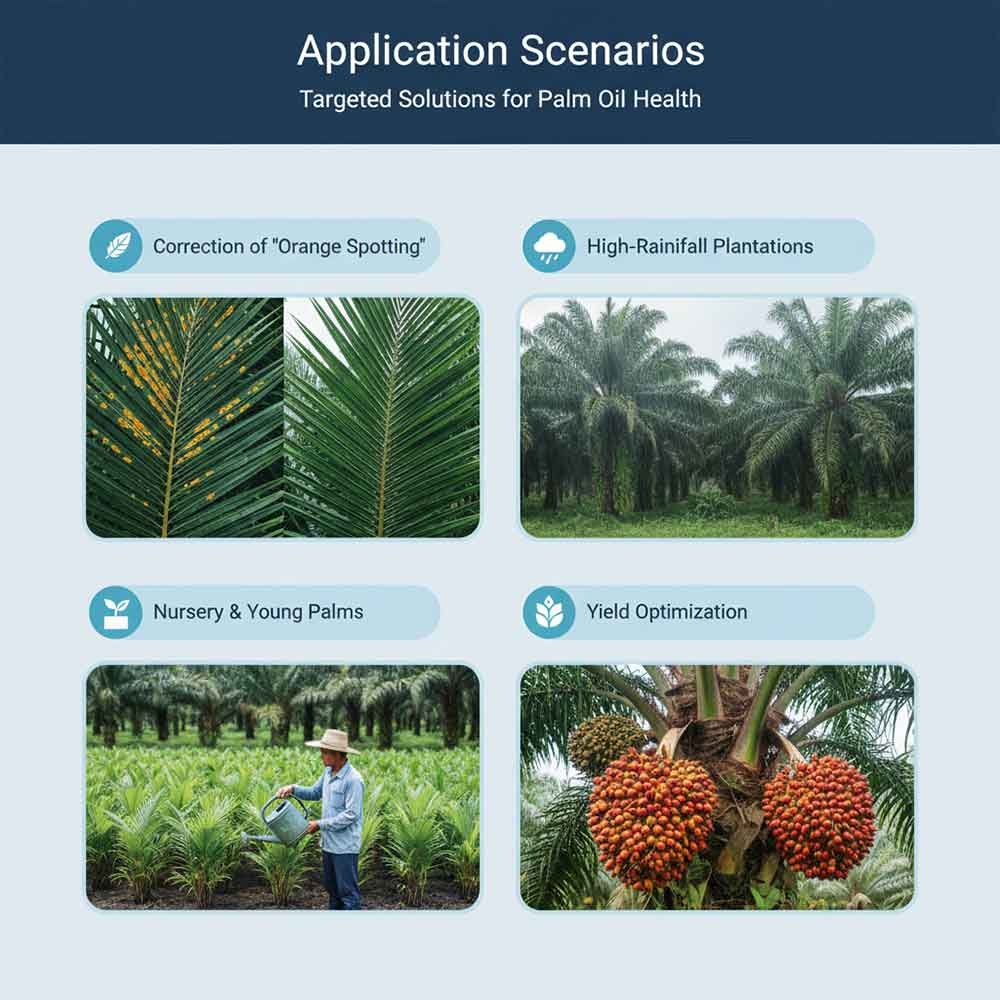
- Correction of “Orange Spotting”: Applied to mature palms showing chlorosis (yellowing) on older fronds to restore photosynthetic capacity.
- High-Rainfall Plantations: Used in regions like Indonesia, Malaysia, and West Africa where heavy rains wash away soil nutrients; Kieserite’s solubility ensures quick uptake before leaching occurs.
- Nursery & Young Palms: MgSO4·7H2O is often used in fertigation or soil drenching for seedlings to ensure a robust start and healthy green foliage.
- Yield Optimization: Regular maintenance application to maintain high Oil Extraction Rates (OER) and prevent “Empty Bunch” syndrome.
Product Advantages
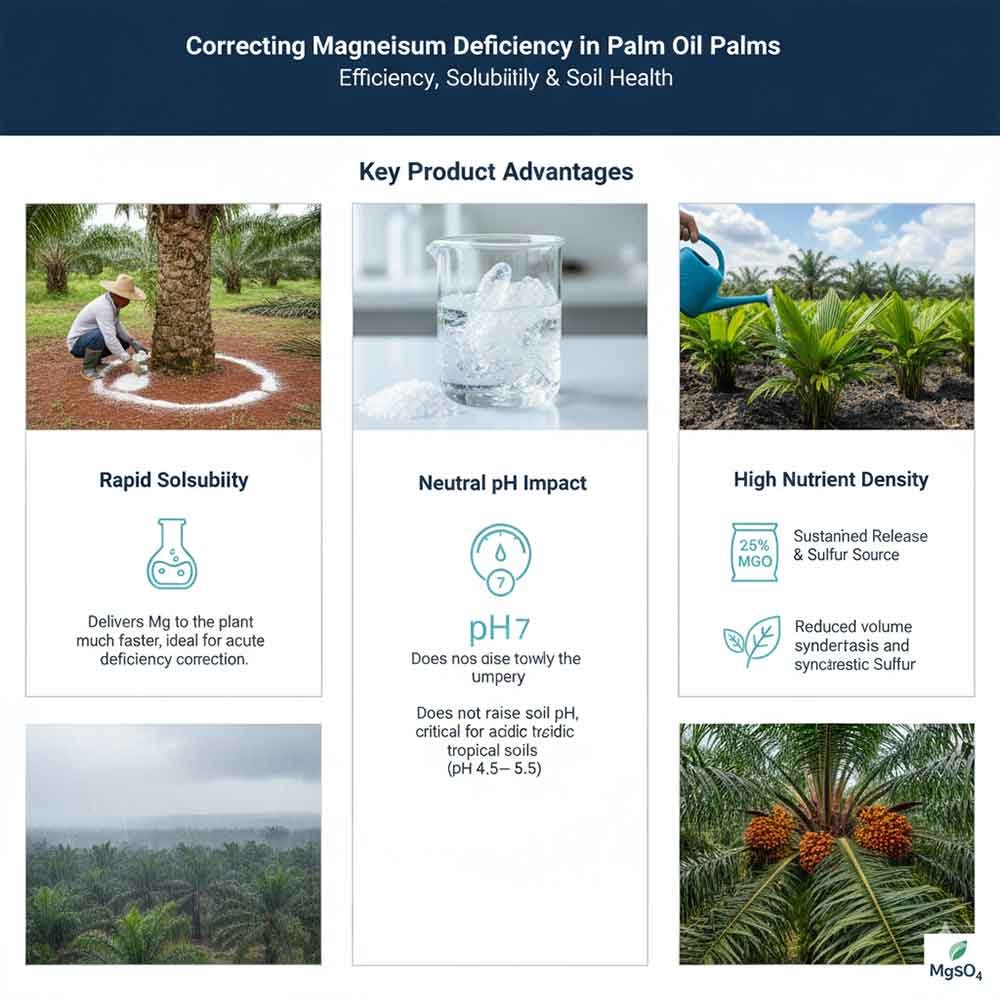
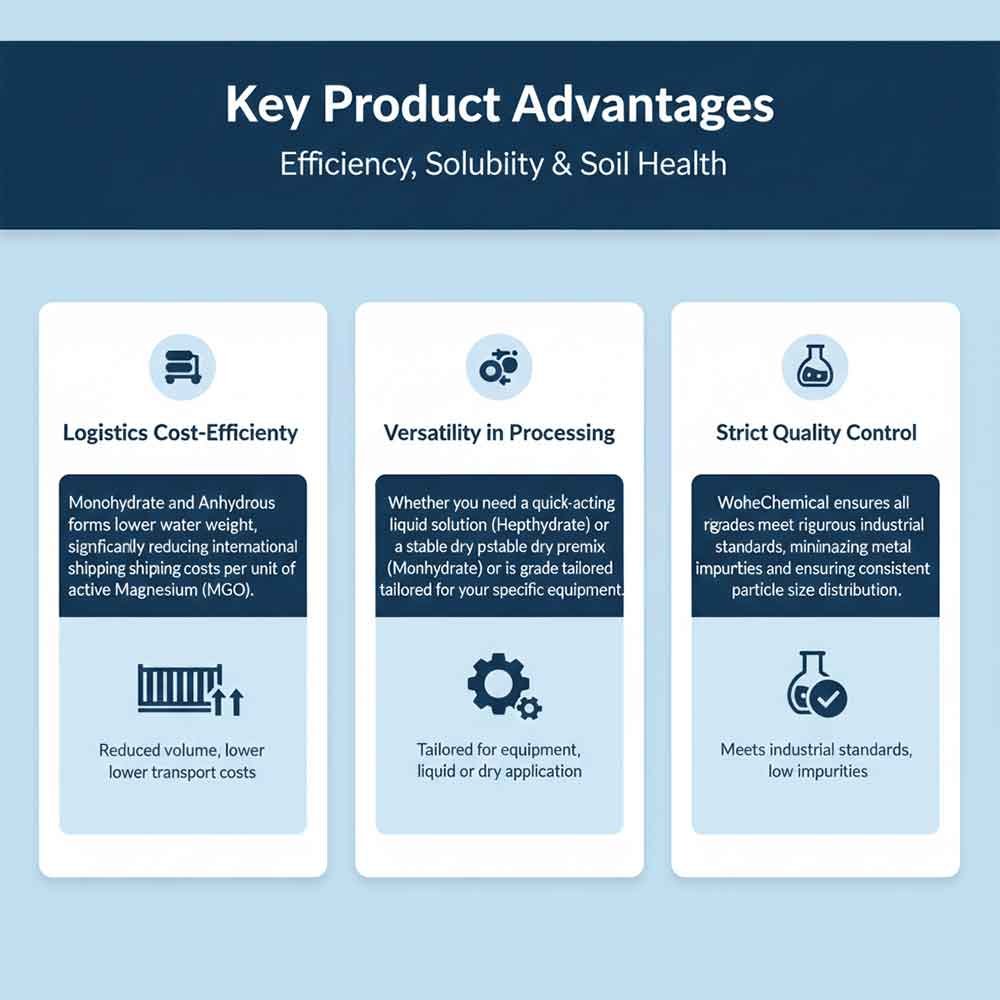
- Rapid Solubility: Delivers Mg to the plant much faster than magnesium oxide or dolomite, making it ideal for acute deficiency correction.
- Neutral Impact on pH: Does not raise soil pH, which is critical for oil palms that thrive in slightly acidic tropical soils (pH 4.5–5.5).
- High Nutrient Density: Industrial-grade Kieserite typically contains 25-27% MgO, reducing the total volume of fertilizer needed for transport and application.
- Synergistic Sulfur: Provides essential Sulfur, which is a key component in the synthesis of oils and amino acids within the palm fruit.
Usage Guidelines / Precautions
- Application Method: Apply manually or via mechanical spreader in the “weeded circle” (the area 1-2 meters around the trunk) where active feeder roots are most concentrated.
- Dosage: For mature palms, a standard rate is 1.5kg to 3.0kg of Kieserite per palm per year, usually split into two applications.
- Storage: Magnesium sulfate is hygroscopic. Store in a cool, dry warehouse on pallets. Keep bags tightly sealed to prevent “caking” or clumping due to atmospheric moisture.
- Avoid Over-application: Excessive Magnesium can interfere with Potassium (K) uptake. Always perform a Leaf Nutrient Analysis (LNA) before large-scale application.
FAQ (Frequently Asked Questions)
Q1: Can I use Kieserite together with Potash (MOP)? A1: Yes, but timing matters. While both are essential, high levels of Potassium can inhibit Magnesium uptake. It is often recommended to apply Kieserite 2-4 weeks after Potassium applications for maximum efficiency.
Q2: How long does it take to see results after applying MgSO4·H2O? A2: For young palms, improvement in color can be seen within 4-6 weeks. For mature palms, it may take a few months for new fronds to emerge without deficiency symptoms, as the older damaged leaves will not “turn green” again.
Q3: Is Kieserite suitable for organic palm oil production? A3: Natural Kieserite is a mined mineral and is often permitted in organic farming, provided it has not been chemically processed. Check your specific organic certification standards (e.g., RSPO).