
Sourcing safe feed grade magnesium sulfate? Discover the benefits of MgSO4 animal feed additives, heavy metal limits, and magnesium supplements for cattle.
Product Overview
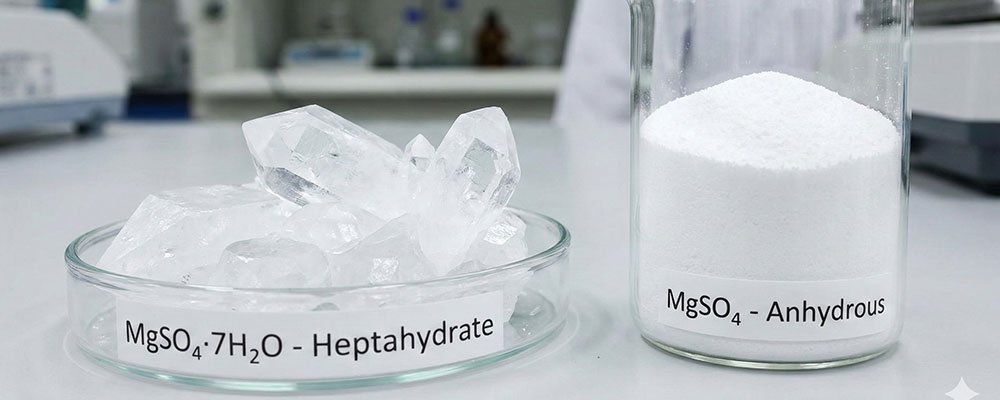
In the livestock and poultry industry, proper mineral supplementation is the foundation of animal health and farm profitability. Feed grade magnesium sulfate (available as MgSO4·7H2O or MgSO4·H2O) is a highly bioavailable source of magnesium and sulfur. Magnesium is a vital macromineral required for over 300 metabolic reactions, including nerve transmission, muscle contraction, and bone formation.
Unlike standard agricultural or industrial grades, an MgSO4 animal feed additive must undergo rigorous purification to eliminate toxic heavy metals. At WoheChemical, our feed grade products are manufactured under strict quality control protocols to ensure they meet global feed safety standards, providing premium nutrition without the risk of contamination.
(Upload a chart/image here. Set Alt Text to: Feed grade magnesium sulfate heavy metal compliance chart)
Application Scenarios
Providing a reliable magnesium supplement for cattle and other livestock prevents severe metabolic disorders and boosts overall production:
- Dairy & Beef Cattle: Crucial for preventing “grass tetany” (hypomagnesemia), a fatal metabolic disorder common in ruminants grazing on lush, low-magnesium spring pastures.
- Poultry Nutrition: Essential for optimal eggshell quality, feather development, and reducing pecking stress in broiler and layer flocks.
- Swine & Aquaculture: Added to premixes to activate enzymes for protein synthesis, improving feed conversion ratios (FCR) and reducing transport stress.
Product Advantages
When feed mills and commercial farms choose WoheChemical’s feed grade magnesium sulfate, they benefit from:
- Exceptional Bioavailability: Our water-soluble sulfate form is absorbed much more efficiently in the animal’s digestive tract compared to insoluble alternatives like magnesium oxide (MgO).
- Strict Heavy Metal Control: We strictly limit Arsenic (As), Lead (Pb), and Cadmium (Cd) to well below international threshold limits, ensuring absolute safety for the food chain.
- Optimized Granulometry: We engineer our crystals to have a uniform particle size, ensuring even distribution and preventing segregation when mixed into bulk feed rations.
Industrial Grade vs. Feed Grade Compliance
To understand why feed grade is critical, compare the acceptable heavy metal limits:
| Contaminant | Standard Industrial Grade | WoheChemical Feed Grade | Impact on Livestock |
| Arsenic (As) | Often > 10 ppm | ≤ 2 ppm | Prevents systemic toxicity and tissue accumulation. |
| Lead (Pb) | Often > 15 ppm | ≤ 5 ppm | Protects neurological development. |
| Cadmium (Cd) | Variable | ≤ 2 ppm | Prevents kidney damage in livestock. |
| Solubility | Moderate | High (Clear Solution) | Ensures rapid absorption in the gut. |
For global guidelines on animal feed safety and additive regulations, we recommend consulting the European Food Safety Authority (EFSA) Feed Additives standards. (Rank Math SEO: Authoritative External Link)
Usage Guide / Precautions
Dosing and Mixing Guidelines
- Cattle: Typically supplemented at 10 to 30 grams per head per day, depending on the basal diet and lactation stage. It can be mixed into TMR (Total Mixed Ration) or provided via liquid feed supplements.
- Poultry & Swine: Usually incorporated into premixes at a rate calculated by a professional animal nutritionist to meet specific life-stage requirements.
- Handling: Always blend thoroughly with other micro-ingredients before adding to the main mixer to ensure homogenous distribution.
Storage Standards
Store in a cool, dry, and well-ventilated warehouse. While our product is treated to resist caking, keeping the bags tightly sealed prevents moisture absorption, ensuring the product remains free-flowing for easy milling.
FAQ
Q1: Why choose feed grade magnesium sulfate over magnesium oxide (MgO)?
A1: While MgO has a higher total magnesium concentration, magnesium sulfate is significantly more soluble and bioavailable. This means the animal’s digestive system can absorb and utilize the magnesium much faster, which is critical for treating acute deficiencies like grass tetany.
Q2: Can I see the heavy metal test results before purchasing?
A2: Absolutely. Every batch of our MgSO4 animal feed additive comes with a comprehensive Certificate of Analysis (COA) detailing the exact heavy metal content, ensuring full compliance with your local feed regulations.
Q3: Does the water content (Heptahydrate vs. Monohydrate) affect the feed mix?
A3: Yes. MgSO4·H2O (Monohydrate) is often preferred in dry feed premixes because it contains less water and a higher magnesium percentage by weight, reducing the risk of caking in the feed bags. MgSO4·7H2O is excellent for liquid feed systems.