
Master the chemical supplier audit process. Discover our ultimate checklist for evaluating bulk chemical suppliers, factory inspections, and ISO 9001 compliance.
Product Overview
For multinational sourcing managers, supply chain security is paramount. A rigorous chemical supplier audit is the first line of defense against inconsistent product quality, regulatory fines, and costly supply chain disruptions.
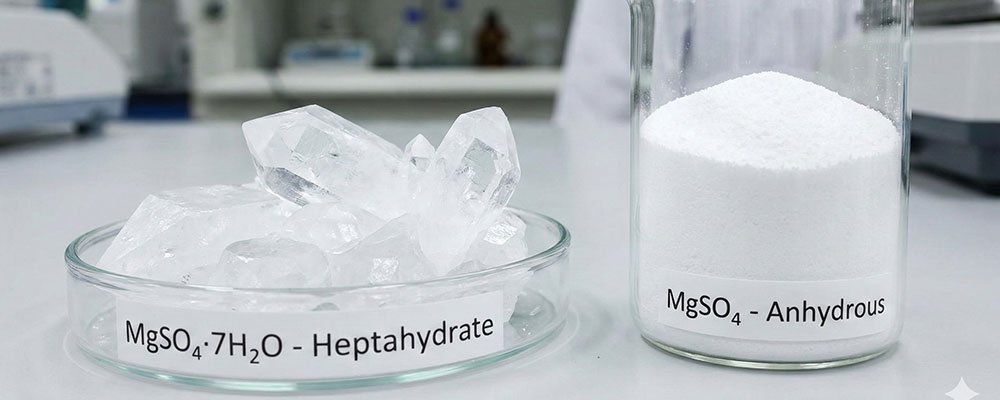
When evaluating a magnesium sulfate manufacturer (whether sourcing MgSO4·7H2O or anhydrous grades), procurement teams must look far beyond the initial price quote. At WoheChemical, we actively welcome both direct customer visits and third-party factory audits. We believe that transparent, ISO 9001 chemical manufacturing is the foundation of long-term B2B trust, and we want to equip buyers with the knowledge to distinguish true source factories from trading intermediaries.
(Set Alt Text to: Professional chemical supplier audit and ISO 9001 chemical manufacturing facility inspection)
Application Scenarios
Why does a meticulous magnesium sulfate factory inspection matter across different downstream sectors?
- Agricultural Conglomerates: Ensures the factory has strict controls to prevent heavy metal contamination in fertilizers, protecting global food security.
- Pharmaceutical & Personal Care: Verifies that the facility maintains cleanroom-level hygiene and complies with USP/FCC standards for Epsom salt production.
- Industrial & Pulp Mills: Guarantees consistent transition metal limits (like Iron and Manganese) to protect highly sensitive peroxide bleaching processes.
Product Advantages (The Vendor Audit Checklist)
When evaluating bulk chemical suppliers, what exactly should your auditing team be looking for on the factory floor? Here is a professional checklist that reflects the highest industry standards—and mirrors WoheChemical’s own facility capabilities:
- Raw Material Sourcing & Traceability: Where does the magnesite or sulfuric acid come from? A reliable factory owns its supply lines or has long-term contracts with stable mines, ensuring you won’t face sudden price hikes or shortages.
- Advanced QC Laboratory Capabilities: A factory is only as good as its lab. Ensure they have in-house, state-of-the-art testing equipment like ICP-OES (Inductively Coupled Plasma Optical Emission Spectrometry) for parts-per-billion heavy metal detection, rather than relying solely on slow, external third-party labs.
- Automated Production & Scalability: Can they handle your peak season demands? Look for modern, automated crystallization lines, large-scale rotary dryers, and robotic FIBC (Jumbo bag) filling stations that minimize human error and contamination.
Quick Reference: Supplier Audit Scorecard
| Audit Category | What to Verify on the Factory Floor | The WoheChemical Standard |
| Quality Management | Valid ISO 9001 chemical manufacturing certificate | Fully certified, with strict SOPs for every production stage. |
| Batch Traceability | Can they trace a finished bag back to the raw ore? | 100% digital batch tracking and retained samples for 2 years. |
| Environmental (ESG) | Do they have wastewater treatment and emissions control? | ISO 14001 compliant, featuring closed-loop water recycling. |
| Storage & Logistics | Are warehouses climate-controlled to prevent caking? | Palletized, moisture-controlled warehousing with strict FIFO rotation. |
For official guidelines on quality management systems, we recommend referencing the standards published by the International Organization for Standardization (ISO). (Rank Math SEO: Authoritative External Link)
Usage Guide / Precautions
Identifying Red Flags During an Audit
Even if a supplier presents well on paper, a physical or virtual chemical supplier audit can reveal critical warning signs:
- “Identical” COAs: If the Certificates of Analysis provided for different batches over several months show the exact same decimal points for impurities, they are likely forged. Genuine batch testing always shows slight, natural statistical variances.
- Poor Granulometry Control: Look at the product coming off the line. If there is excessive dust or widely varying crystal sizes, the factory lacks proper centrifugation and drying controls, which will lead to caking problems during shipping.
- Safety and Housekeeping: A messy factory floor with chemical spills and workers lacking PPE (Personal Protective Equipment) is a massive liability and indicates poor management culture.
How to Prepare for a Factory Inspection
Before flying your team out or hiring a third-party agency (like SGS, BV, or Intertek) to conduct a magnesium sulfate factory inspection, request the factory’s document package upfront. This should include their ISO certificates, a blank copy of their batch manufacturing record, REACH registrations (if exporting to the EU), and their standard MSDS.
FAQ
Q1: How often should we conduct a chemical supplier audit?
A1: For a new supplier, an initial audit before signing a long-term contract is standard. For critical tier-1 suppliers, procurement managers typically conduct a re-evaluation or light audit annually to ensure continuous compliance.
Q2: Can we hire a third-party agency if we cannot visit China ourselves?
A2: Absolutely. Many of our multinational clients utilize agencies like SGS to conduct routine sampling and loading supervision at our facility before the cargo is shipped.
Q3: What proves that a supplier is a true manufacturer and not just a trading company?
A3: During your audit, check the business license against the factory name, verify the ownership of the production equipment, and assess the depth of knowledge of the on-site chemical engineers. Trading companies rarely have full-scale, dedicated ICP-OES laboratories.