
Discover eco-friendly magnesium based fire retardants. Learn how MgSO4 in thermal insulation and flame retardant plastics additives improve safety standards.
Product Overview
The global chemical industry is undergoing a massive regulatory shift. With environmental agencies (like REACH and the EPA) strictly limiting the use of toxic halogenated and heavy-metal flame retardants, manufacturers are urgently seeking safe, green alternatives. Magnesium based fire retardants have emerged as the leading solution for the future of fire safety.
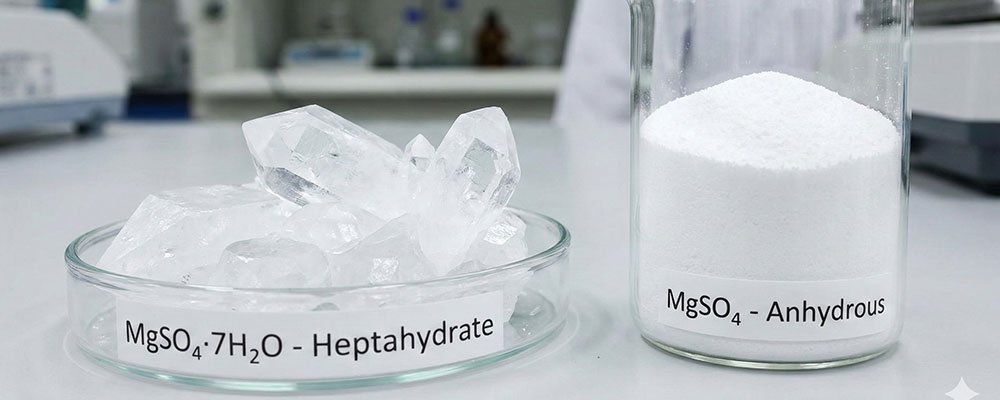
Magnesium compounds, particularly those derived from high-purity magnesium sulfate (MgSO4·7H2O), act as powerful, non-toxic fire suppressants. At WoheChemical, we supply premium industrial-grade magnesium sulfate that serves as a critical precursor and additive for manufacturing advanced flame retardant plastics additives and fireproof construction materials. Our products help you meet the strictest international fire codes while maintaining your corporate ESG commitments.
Application Scenarios
The transition to eco-friendly fire suppression has opened up massive high-value applications for magnesium compounds:
- Wire & Cable Plastics: Formulators use magnesium based fire retardants in PVC and EVA sheathing. When exposed to high heat, the magnesium compounds release water, cooling the plastic and diluting combustible gases without producing toxic, corrosive smoke.
- Advanced Construction Boards: Magnesium Oxysulfate (MOS) cement boards are revolutionizing the building industry. These lightweight, incredibly strong boards offer superior fire resistance compared to traditional gypsum drywall.
- MgSO4 in Thermal Insulation: Used as an additive in polyurethane foams and acoustic insulation panels. The endothermic (heat-absorbing) properties of the chemically bound water in magnesium sulfate actively delay the spread of thermal energy.
Product Advantages
Why are leading polymer compounders and construction material factories switching to WoheChemical’s raw materials?
- Zero Toxic Smoke Emission: Unlike traditional brominated or chlorinated retardants, our magnesium products do not release lethal dioxins or corrosive halogen gases when burned. This is critical for enclosed-space safety (e.g., subway trains and airplanes).
- Exceptional Endothermic Cooling: Magnesium sulfate heptahydrate contains seven molecules of bound water. When a fire occurs, this water of crystallization absorbs massive amounts of heat energy as it evaporates, effectively starving the fire of the thermal energy needed to sustain combustion.
- Low Heavy Metal Contamination: Our rigorous purification process ensures that our magnesium sulfate will not introduce unwanted transition metals that could degrade the structural integrity or color of your final polymer matrix.
Fire Retardant Technology Comparison
| Specification | Traditional Halogenated Retardants | Magnesium Based Fire Retardants | Impact on Manufacturing |
| Environmental Profile | Toxic / Persistent in environment | 100% Eco-Friendly (Green Chemistry) | Easily passes RoHS and REACH compliance. |
| Smoke Toxicity | Extremely High (Lethal gases) | Zero Toxic Emissions | Required for modern public infrastructure. |
| Thermal Stability | Moderate | High | Withstands typical polymer compounding temperatures. |
| Corrosiveness | High (Corrodes processing machinery) | Non-Corrosive | Extends the lifespan of your factory’s twin-screw extruders. |
For global insights into the shift towards halogen-free fire safety, we recommend reviewing the regulatory standards discussed by the European Flame Retardants Association (EFRA). (Rank Math SEO: Authoritative External Link)
Usage Guide / Precautions
Integrating Flame Retardant Plastics Additives
When formulating flame retardant plastics additives, dispersion and processing temperatures are the most critical factors:
- Particle Size Matters: To achieve a V-0 rating in the UL 94 flammability test without ruining the mechanical properties of the plastic (like tensile strength and elongation), the magnesium compound must be milled to a very fine, uniform micron size. WoheChemical can supply specifically graded crystalline structures to match your milling requirements.
- Surface Coating: Because magnesium compounds are inherently hydrophilic (water-loving) and polymers are hydrophobic, formulators often need to surface-treat the magnesium powders with stearic acid or silane coupling agents to ensure perfect dispersion within the plastic matrix.
Formulating MOS (Magnesium Oxysulfate) Boards
For construction material manufacturers, mixing magnesium oxide (MgO) with our high-purity magnesium sulfate creates a robust oxysulfate cement.
- Avoid Chloride Corrosion: Historically, Magnesium Oxychloride (MOC) boards were popular, but the chlorides corroded the steel framing of buildings. By using WoheChemical’s sulfate-based chemistry, you eliminate the “sweating” and rusting issues, creating a structurally sound, premium fireproof board.
FAQ
Q1: How exactly does MgSO4 in thermal insulation stop a fire?
A1: Magnesium sulfate heptahydrate (MgSO4·7H2O) is approximately 51% water by weight. When the insulation is exposed to fire, the compound undergoes an endothermic reaction, releasing this bound water as steam. This steam cools the burning material and displaces the oxygen necessary for the fire to burn.
Q2: Will magnesium based fire retardants affect the color of my plastics?
A2: No. Our high-purity magnesium sulfate is a brilliant white, translucent crystal. It has excellent color stability and will not cause yellowing or discoloration in your final polymer compounding, unlike some antimony-based retardants.
Q3: Can WoheChemical provide the bulk volumes required for continuous MOS board manufacturing?
A3: Absolutely. The construction industry requires massive, uninterrupted supply chains. We deliver 1000kg/1250kg FIBC Jumbo bags designed for automated hopper systems in large-scale cement board factories.