Magnesium Sulfate Heptahydrate, commonly known as Epsom Salt, is a vital inorganic compound with broad applications across agriculture, industry, animal nutrition, and healthcare.
Magnesium sulfate heptahydrate (MgSO₄·7H₂O) is a highly soluble magnesium salt widely used as a fertilizer, industrial raw material, feed additive and pharmaceutical compound. Due to its high magnesium and sulfur content, it plays a critical role in plant nutrition, industrial processing and health-related applications.
I. Product Overview
| Feature | Description |
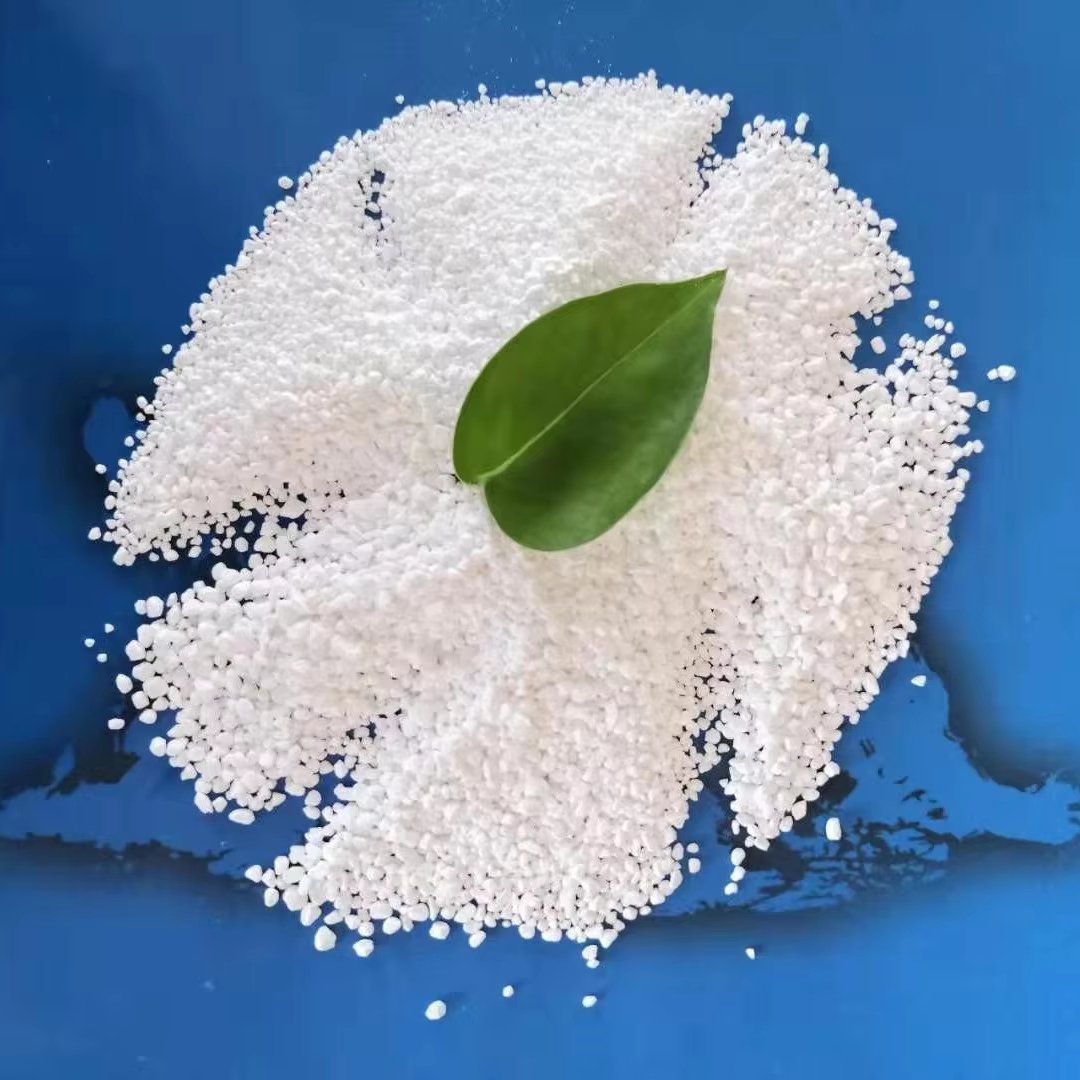
| Appearance | White crystalline or granular substance |
| Specific Gravity | Approximately $1.68$ |
| Manufacturing Method | Reaction of Magnesium Oxide (MgO) with Sulfuric Acid (H2SO4) |
| Key Nutrient Content | Rich in Magnesium (Mg) and Sulfur (S) |
- Magnesium Sulfate Heptahydrate is a white crystalline compound produced by the reaction of magnesium oxide and sulfuric acid. It is characterized by high purity, excellent solubility and stable chemical performance, making it suitable for agricultural, feed, industrial and pharmaceutical applications.
Grades Available:
- Agricultural Grade (Fertilizer Grade)
- Feed Grade
- Industrial Grade
Granular Specifications: 0.1-1mm, 1-3mm, 2-4mm, 4-7mm
It is one of the most widely used magnesium salts and a primary source of magnesium fertilizer, significantly boosting crop yield and quality.
II. Agricultural Uses of Magnesium Sulfate Heptahydrate (Fertilizer Grade) 🚜
Magnesium Sulfate Heptahydrate is extensively used in agriculture to supply essential Mg and S nutrients to crops.
Suitable Crops (Especially those sensitive to Sulfur deficiency):
- Lawns, Soybeans, Peanuts, Vegetables, Rice, Wheat, Rye, Potatoes, Grapes, Tobacco, Sugarcane, Sugar Beets, Citrus fruits, etc.
Benefits of Application:
- Promotes Photosynthesis: Essential for chlorophyll formation.
- Enhances Crop Resistance: Boosts resistance to diseases.
- Improves Product Quality: Enhances flavor and prolongs the storage life of agricultural produce.
Magnesium sulfate heptahydrate is widely used in agriculture because magnesium is a core element of chlorophyll, while sulfur supports protein synthesis and enzyme activity in plants.
III. Industrial Applications (Industrial Grade) 🏭
Industrial grade Magnesium Sulfate Heptahydrate serves as a raw material or auxiliary agent in numerous manufacturing processes.
- Textile and Dyeing: Improves dye absorption and color uniformity by stabilizing dye molecules during textile processing.
- Chemical Manufacturing: Ingredient in the production of fertilizers, ceramics, pigments, matches, explosives, and fireproof materials.
- Microbial and Fermentation Industries: Acts as a component of culture media and a brewing additive, providing the necessary magnesium source for fermentation.
- Leather Processing: Used as a filler to enhance heat resistance and improve leather quality.
- Pulp & Paper and Construction: Employed as a setting regulator for cement, and in the treatment of rayon, paper pulp, and textiles.
- Fermentation Industry: Supplies essential magnesium ions to support microbial growth and enzyme activity.
IV. Feed Grade Magnesium Sulfate Heptahydrate Uses in Animal Nutrition 🐂
Feed grade Magnesium Sulfate Heptahydrate is a vital magnesium source in animal feed.Feed grade magnesium sulfate heptahydrate is commonly used as a mineral supplement in livestock and poultry feed.
Magnesium is crucial for:
- Bone Formation and Muscle Contraction.
- Enzyme Activation: Acts as an activator for various enzymes, participating in energy metabolism and regulating neurological functions.
Benefits of Supplementation:
- Improves Livestock Bone Development.
- Enhances Feed Conversion Efficiency.
- Reduces Stress Response in animals.
V. Medical and Daily Use (Pharmaceutical Grade / Epsom Salt) 🛀
Known as Epsom Salt, it is valued for its numerous health benefits:
- Bath Soak: Used to relieve muscle soreness, reduce inflammation, and alleviate fatigue.
- Electrolyte Supplement: Helps maintain normal nerve and muscle function.
- Cardiovascular Health: Aids in calcium absorption, which supports normal cardiovascular and muscular function when used appropriately (blood clot) formation.
VI. Conclusion
Magnesium Sulfate Heptahydrate is an extremely versatile inorganic compound, indispensable in agricultural output, industrial manufacturing, animal nutrition, and human health management. Its high purity and stable performance ensure its continued widespread use across diverse sectors, including agriculture, chemical industry, feed, pharmaceuticals, and daily chemical products.
Frequently Asked Questions About Magnesium Sulfate Heptahydrate
Frequently Asked Questions (FAQ)
1. Is magnesium sulfate heptahydrate the same as Epsom salt?
Yes. Epsom salt is simply the common name for magnesium sulfate heptahydrate. It is a naturally occurring mineral named after the town of Epsom in Surrey, England, where it was originally discovered in local spring water.
2. What is magnesium sulfate heptahydrate used for?
It is a versatile compound used across several industries:
- Agriculture: Used as a fertilizer to correct magnesium and sulfur deficiencies in soil, promoting healthy plant growth and photosynthesis.
- Healthcare and Wellness: Used in bath salts to soothe sore muscles, reduce stress, and as an ingredient in certain medications or topical treatments.
- Animal Nutrition: Added to animal feed as a supplement to prevent magnesium deficiency, which is crucial for nerve and muscle function in livestock.
- Industrial Applications: Used in the production of paper, textiles (for dyeing and finishing), and in the tanning of leather.
3. Is magnesium sulfate heptahydrate safe for agriculture and feed?
Yes, it is highly safe and widely used. In agriculture, it is prized because it is highly water-soluble, making it easy for plants to absorb. In animal feed, it is a standard additive used to ensure livestock receive enough dietary magnesium, which helps prevent metabolic diseases like grass tetany in cattle.
4. What is the difference between magnesium sulfate heptahydrate and anhydrous magnesium sulfate?
The primary difference is the water content:
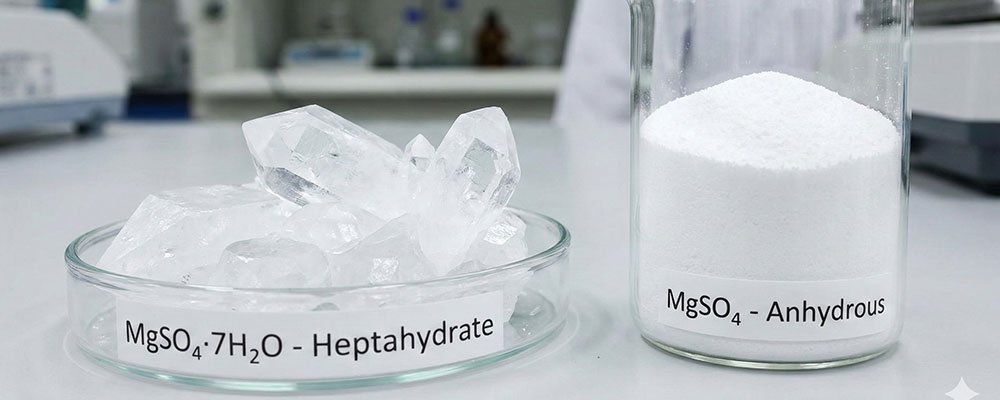
- Magnesium Sulfate Heptahydrate: Contains seven water molecules per magnesium sulfate molecule (MgSO4·7H2O). It typically appears as transparent or white crystals (like salt or sugar).
- Anhydrous Magnesium Sulfate: Has had all water removed (MgSO4). It is a fine white powder and acts as a powerful drying agent because it aggressively absorbs moisture from its surroundings.