Discover the crucial role of magnesium sulfate in fermentation. Learn how biotech grade magnesium and yeast nutrient MgSO4 optimize MSG and yeast manufacturing.
Product Overview
As the global biotechnology and food additive sectors expand, the demand for ultra-pure microbial nutrients has skyrocketed. In the world of industrial bioreactors, magnesium sulfate in fermentation is not just an additive—it is a mandatory physiological catalyst. Magnesium is the central driver for enzymatic reactions, DNA synthesis, and cellular respiration in microbial cells.
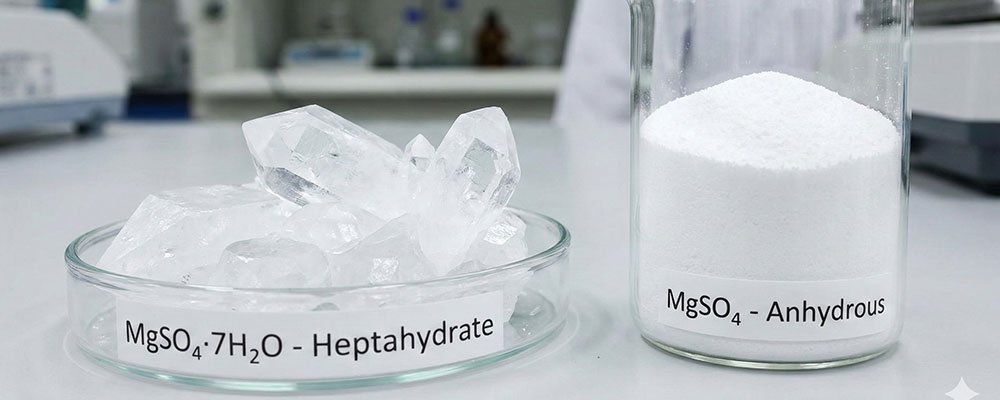
When cultivating sensitive bacterial and fungal strains for large-scale production, introducing impurities can lead to total batch failure. At WoheChemical, we manufacture premium, high-purity magnesium sulfate (MgSO4·7H2O and anhydrous forms) engineered specifically for the biotech industry. Our products guarantee 100% water solubility and near-zero heavy metals, ensuring maximum strain survival and peak metabolic yields.
Application Scenarios
High-purity magnesium sulfate is a foundational ingredient across multiple high-value biological manufacturing processes:
- Monosodium Glutamate (MSG) Production: Corynebacterium glutamicum relies on precise magnesium levels to convert sugars into glutamic acid. Our product serves as one of the most critical MSG manufacturing chemicals in the global food supply chain.
- Commercial Yeast Cultivation: Acting as a primary yeast nutrient MgSO4, it promotes rapid cell division and strengthens the cell walls of both Saccharomyces cerevisiae (baker’s/brewer’s yeast) and specialized nutritional yeasts.
- Amino Acid & Enzyme Bioreactors: Essential for the fermentation of citric acid, lactic acid, lysine, and advanced pharmaceutical enzymes where trace metal contamination would instantly deactivate the target proteins.
Product Advantages
Why do top-tier biotech facilities choose WoheChemical’s biotech grade magnesium over standard agricultural or industrial grades?
- Uncompromised Strain Survival: Standard grades contain trace heavy metals (like Copper, Zinc, and Lead) that poison microbial cultures. Our biotech grade is rigorously purified to keep these toxins well below biological inhibition thresholds.
- Zero Insoluble Matter: Insoluble silica or sediment can coat the expensive, delicate pH and dissolved oxygen (DO) sensors inside a bioreactor, causing false readings. Our 100% soluble crystals ensure sensors remain clean and accurate.
- Stable pH and Sterilization Safe: Our MgSO4·7H2O maintains exceptional stability during the high-heat autoclave (sterilization) phase of culture media preparation, preventing unwanted chemical breakdowns before the fermentation even begins.
Purity Comparison: Why Biotech Grade Matters
| Specification | Standard Industrial Grade | WoheChemical Biotech Grade | Impact on Fermentation |
| Heavy Metals (Pb, As) | ≤ 15 – 20 ppm | ≤ 2 ppm | Prevents poisoning of sensitive bacterial strains. |
| Chloride Content | Variable | Strictly Monitored | Prevents corrosion of stainless steel (316L) bioreactors. |
| Insoluble Matter | ≤ 0.1% | ≤ 0.005% (Crystal Clear) | Prevents fouling of DO and pH probes. |
| Microbial Yield | Inconsistent | Maximum Log-Phase Growth | Higher conversion rate of glucose to MSG/Amino Acids. |
For scientific insights into how magnesium ions act as essential cofactors in microbial enzyme systems, we recommend referencing the biochemical databases provided by the National Center for Biotechnology Information (NCBI). (Rank Math SEO: Authoritative External Link)
Usage Guide / Precautions
Culture Media Preparation
When incorporating magnesium sulfate in fermentation media, correct sequencing is vital:
- Preventing Precipitation: Never mix concentrated magnesium sulfate directly with concentrated phosphates (like DAP or MKP) or calcium salts during the initial media prep. This will instantly form insoluble magnesium phosphate or calcium sulfate, stripping the nutrients from the broth.
- Dilution First: Always dissolve the MgSO4 into the bulk water phase before introducing other reactive macronutrients.
Optimizing the Fermentation Broth
- Dosage Control: While magnesium is essential, hyper-concentrations can increase the osmotic pressure of the fermentation broth, causing the microbial cells to rupture (lyse) or stall their metabolic output. Always adhere strictly to your specific strain’s optimal formulation baseline.
- Monitoring Exothermic Reactions: If your facility utilizes Anhydrous Magnesium Sulfate instead of the Heptahydrate (MgSO4·7H2O) form, be aware that dissolving the anhydrous powder will release heat. Monitor your media prep tank temperatures to avoid accidentally denaturing heat-sensitive vitamins or amino acids already in the mix.
FAQ
Q1: Why use magnesium sulfate in fermentation instead of magnesium chloride?
A1: Magnesium sulfate is universally preferred because chloride ions at high temperatures and pressures (during sterilization) are highly corrosive to the expensive stainless steel used in industrial bioreactors. Additionally, the sulfate ion provides a safe, highly usable source of sulfur for microbial protein synthesis.
Q2: Can WoheChemical supply biotech grade magnesium in bulk for MSG manufacturing?
A2: Yes. We supply large-scale food additive and amino acid manufacturers globally, providing 25kg PE-lined bags and 1000kg FIBC Jumbo bags that meet all necessary food-safety and purity certifications.
Q3: How does yeast nutrient MgSO4 specifically improve baker’s yeast?
A3: Magnesium is a critical cofactor for the enzymes involved in glycolysis (sugar breakdown). Proper supplementation ensures the yeast cells rapidly consume the molasses/glucose feedstock, resulting in higher biomass yields and yeast that exhibits a stronger “rise” (gas production) for end-users in the baking industry.