
Master the logistics of Magnesium Sulfate. Learn about HS Code 28332100, 25kg vs 1000kg packaging options, and expert tips to prevent caking during international shipping.
Product Overview
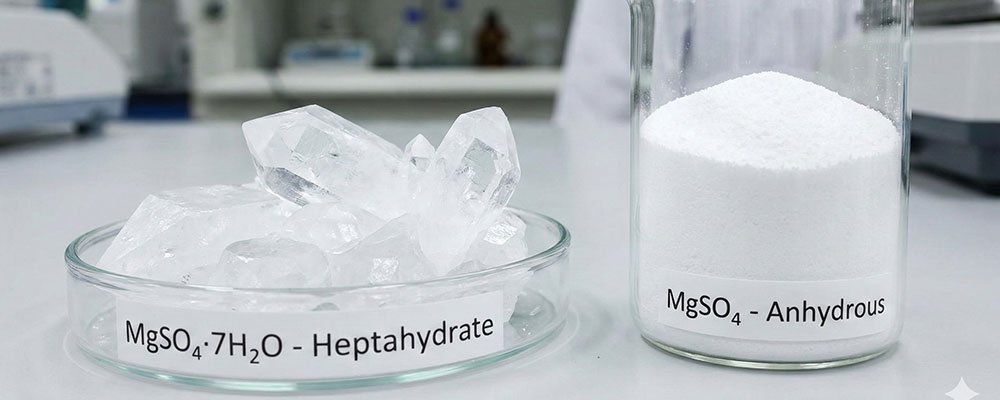
Efficient logistics and proper packaging are the backbones of the chemical supply chain. For Magnesium Sulfate (including Heptahydrate, Monohydrate, and Anhydrous grades), maintaining product purity and physical form during long-distance maritime or land transport is critical. Most international trade falls under HS Code 28332100.
Whether you are importing for agricultural fertilizers or industrial processing, understanding the technical requirements of packaging helps reduce loss and ensures the material arrives in a flowable, ready-to-use condition.
Application Scenarios
Correct packaging and shipping protocols are essential across various sectors:
- Agriculture: Large-scale farming requires bulk handling (Jumbo bags) for mechanical spreading.
- Industrial Manufacturing: Precise 25kg bags are preferred for manual dosing in detergent or textile production.
- Long-haul Export: Specialized moisture-proof lining is required for cross-continental shipping to prevent the “caking” (clumping) of crystals.
Product Advantages
- Versatile Packaging Options: We offer standard 25kg PE/PP bags for easy handling and 1000kg/1250kg Jumbo bags (FIBC) to optimize container loading and mechanical discharge.
- Moisture Barrier Protection: Our bags feature high-quality inner PE liners that protect against humidity, which is the primary cause of Magnesium Sulfate caking.
- Optimized Container Loading: Strategic palletizing and “floor loading” options allow for maximum weight efficiency, typically 25-27 MT per 20ft container (FCL).
Usage Guide / Precautions
How to Prevent Caking in Transport
Magnesium Sulfate is sensitive to environmental humidity. To ensure the product remains free-flowing:
- Avoid Temperature Extremes: Rapid temperature changes in shipping containers can cause “container rain.”
- Use PE Liners: Always ensure the inner plastic liner is tied securely to create an airtight seal.
- Proper Stacking: Do not stack pallets too high in the warehouse, as “pressure caking” can occur at the bottom layers of the stack.
Storage Standards
- Store in a cool, dry, and well-ventilated area.
- Keep away from incompatible substances like strong oxidizing agents.
- Ensure the “First-In, First-Out” (FIFO) principle to manage shelf life effectively.
FAQ
Q1: What is the HS Code for Magnesium Sulfate? A1: The internationally recognized HS Code is 28332100. This covers Magnesium Sulfate in its various hydrated and anhydrous forms.
Q2: Should I choose 25kg bags or 1000kg Jumbo bags? A2: Use 25kg bags if your facility relies on manual labor or requires precise small-batch mixing. Choose 1000kg Jumbo bags if you have a forklift/crane and want to reduce packaging waste and speed up unloading times.
Q3: Is Magnesium Sulfate classified as dangerous goods (DG) for shipping? A3: No, Magnesium Sulfate is generally classified as non-hazardous for sea, air, and road transport. However, COA and MSDS should always accompany the shipment.