
Discover the power of magnesium sulfate water treatment. Learn how it acts as an effective coagulant in wastewater for heavy metal precipitation and compliance.
Product Overview
As global environmental regulations become increasingly stringent, industrial facilities face immense pressure to discharge clean, compliant effluent. Magnesium sulfate water treatment has emerged as a highly effective, eco-friendly solution for managing complex industrial effluents.
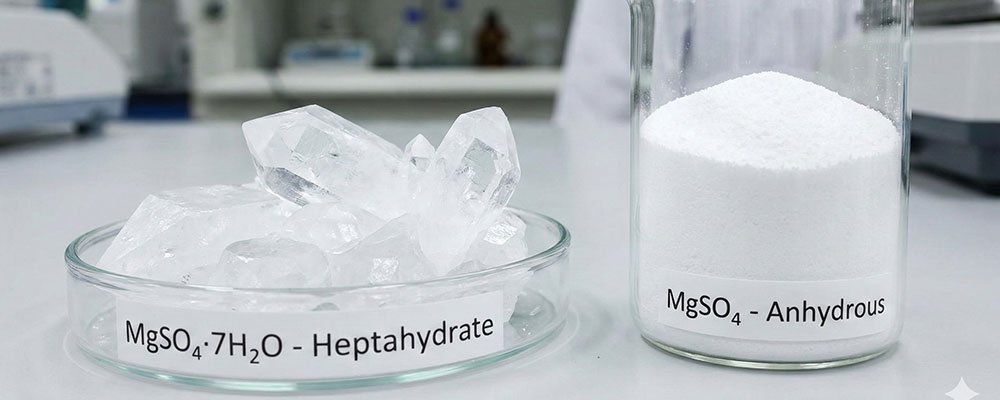
Unlike traditional harsh chemicals that can leave toxic residual byproducts, magnesium sulfate (MgSO4·7H2O or anhydrous MgSO4) provides a safe source of divalent magnesium ions (Mg2+). At WoheChemical, we supply industrial-grade magnesium sulfate in bulk, helping facilities worldwide achieve superior heavy metal precipitation and efficient suspended solids removal without breaking their operational budgets.
(Upload an image of a clarifier or flocculation tank here. Set Alt Text to: Magnesium sulfate water treatment and heavy metal precipitation in industrial wastewater)
Application Scenarios
Our industrial-grade magnesium sulfate is utilized across diverse wastewater treatment facilities:
- Electroplating & Mining Wastewater: Highly effective at removing toxic heavy metals from the water matrix before environmental discharge.
- Textile & Dyeing Effluent: Acts as a powerful coagulant in wastewater to decolorize highly pigmented water and remove suspended organic compounds.
- Biological Treatment (Anaerobic Digestion): Serves as a vital micronutrient for anaerobic bacteria, boosting the efficiency of biological reactors and biogas production.
Product Advantages
Choosing WoheChemical’s magnesium sulfate for your effluent treatment plant (ETP) offers distinct operational advantages:
- No Secondary Pollution: Unlike iron or aluminum-based coagulants (like PAC or Alum), magnesium sulfate does not leave harmful residual metals in the treated water that could violate secondary discharge limits.
- Superior Flocculation: When combined with an alkali, it forms magnesium hydroxide floc, which has a massive surface area. This creates a “sweeping” effect that traps fine particles and heavy metals.
- Sludge Reduction: The resulting sludge is often denser and easier to dewater compared to traditional chemical sludges, reducing your final waste disposal costs.
Coagulant Comparison: MgSO4 vs. Traditional Alum/PAC
Why are modern facilities switching to magnesium-based treatments?
| Parameter | Magnesium Sulfate (MgSO4) | Traditional Alum / PAC | Impact on Facility |
| Secondary Pollution Risk | Low (Mg is naturally occurring) | High (Residual Aluminum) | Easier compliance with strict EPA/local laws. |
| Heavy Metal Removal | Excellent (via co-precipitation) | Moderate | Crucial for mining and plating industries. |
| Sludge Volume | Compact & Dense | Voluminous & Watery | Lowers mechanical dewatering and disposal costs. |
| Biological Compatibility | High (Acts as a bacterial nutrient) | Low (Can inhibit bio-activity) | Safe to use before biological treatment stages. |
For international guidelines on industrial effluent standards and wastewater technology, we recommend reviewing the resources provided by the United States Environmental Protection Agency (EPA). (Rank Math SEO: Authoritative External Link)
Usage Guide / Precautions
The Chemistry of Heavy Metal Precipitation
How does magnesium sulfate water treatment actually remove heavy metals? The process relies on pH adjustment and co-precipitation.
- Dosing: MgSO4 is dissolved and dosed into the wastewater stream.
- pH Adjustment: An alkali (such as Sodium Hydroxide, NaOH) is added to raise the pH to around 9.5 – 10.5.
- Precipitation: The magnesium reacts to form Magnesium Hydroxide (Mg(OH)2), a bulky, gelatinous precipitate. As this floc forms and settles, it physically adsorbs and sweeps heavy metals (like Lead, Copper, Chrome, and Zinc) out of the water column—a process far more efficient than simple hydroxide precipitation.
Storage and Handling
- Industrial Grade Specifications: For water treatment, our standard industrial grade (98% purity) is usually sufficient and highly cost-effective.
- Storage: Store bulk bags in a dry, covered area. While impurities are less of a concern in wastewater than in food/feed grades, preventing moisture absorption ensures the product remains free-flowing for automated dosing hoppers.
FAQ
Q1: Can magnesium sulfate act as a primary coagulant in wastewater?
A1: Yes, particularly in highly alkaline wastewater or when used in conjunction with a pH adjustment step. The Mg2+ ions compress the electrical double layer of suspended particles, allowing them to clump together and settle.
Q2: Will adding magnesium sulfate increase the hardness of the discharged water?
A2: It will increase the magnesium hardness. However, in most industrial discharge regulations, heavy metal toxicity, COD (Chemical Oxygen Demand), and TSS (Total Suspended Solids) are strictly penalized, whereas magnesium is generally considered benign and environmentally safe.
Q3: Does WoheChemical provide bulk shipping for municipal water treatment plants?
A3: Absolutely. We supply water treatment facilities globally with 1000kg/1250kg FIBC Jumbo bags, optimizing logistics and lowering the cost per treated gallon.