China is one of the largest producers and exporters of magnesium sulfate in the world. For global buyers, this creates a major advantage: competitive pricing, flexible supply capacity, and a wide range of product grades. However, it also creates a challenge—there are too many suppliers online, and not all of them are real manufacturers with stable quality and export experience.
If you are sourcing magnesium sulfate for agriculture, industrial processing, feed, food, or pharmaceutical applications, choosing the right supplier is critical. A reliable magnesium sulfate manufacturer in China can help you reduce procurement risk, maintain stable product quality, and improve delivery efficiency over the long term.
This guide explains how to identify a trustworthy magnesium sulfate factory in China and what key factors buyers should evaluate before placing an order.
Why Choosing the Right Magnesium Sulfate Supplier Matters
Magnesium sulfate is widely used in fertilizer production, water treatment, textile processing, chemical manufacturing, food processing, and pharmaceutical applications. Different uses require different purity levels, particle sizes, solubility, and packaging standards.
Working with the wrong supplier can lead to problems such as:
- inconsistent purity between batches
- moisture absorption and caking during transportation
- delayed shipments during peak season
- missing export documents or incomplete compliance support
- product specifications that do not match your application needs
For importers and distributors, a reliable supplier is not just a vendor. They are an important part of your supply chain.
1. Confirm the Factory Is a Real Manufacturer
The first step is to confirm whether the company is an actual magnesium sulfate manufacturer or only a trading company. Many online listings use the words factory or manufacturer, but not all suppliers operate their own production lines.
A real factory can usually provide:
- factory photos and production workshop videos
- information about production lines and annual capacity
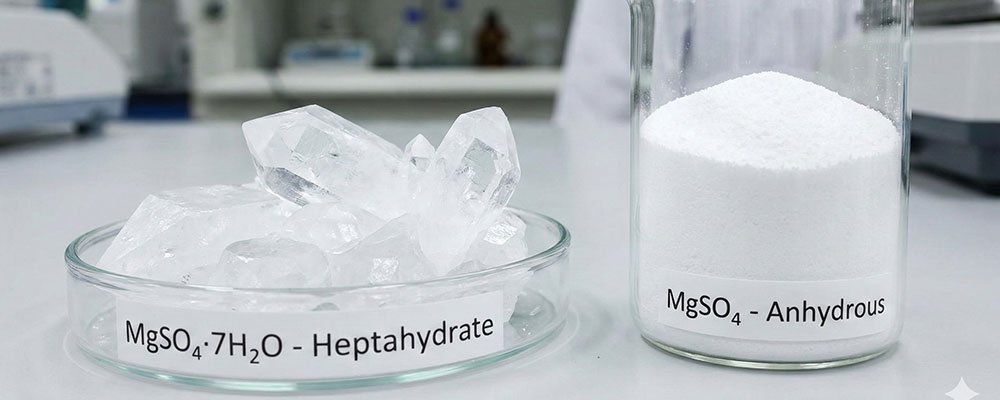
- detailed specifications for magnesium sulfate heptahydrate, monohydrate, or anhydrous
- direct answers about raw materials, manufacturing process, and lead time
- more stable pricing and better control over quality
Buying directly from a manufacturer usually means better communication, faster technical support, and stronger long-term supply stability.
2. Check Quality Control and Product Certifications
Quality control is one of the most important factors when choosing a magnesium sulfate supplier in China. The required standards depend on your target market and end use.
For example:
- Agricultural grade magnesium sulfate should have stable magnesium and sulfur content, good water solubility, and low impurity levels.
- Industrial grade magnesium sulfate should match your process requirements for purity and particle size.
- Food grade or pharmaceutical grade magnesium sulfate requires much stricter manufacturing control, documentation, and compliance standards.
Ask the supplier for the following documents:
- Certificate of Analysis (COA)
- Material Safety Data Sheet (MSDS) or SDS
- ISO 9001 certification
- REACH-related compliance documents if exporting to Europe
- food-grade or pharma-related certificates if applicable
- batch testing records and inspection standards
A professional manufacturer should be able to provide clear and updated documentation quickly.
3. Evaluate Raw Material Advantage and Factory Location
Factory location matters more than many buyers realize. Magnesium sulfate production competitiveness often depends on access to raw materials, utilities, and freight routes.
China has strong mineral and chemical manufacturing bases, and some regions are more competitive due to raw material availability and established chemical supply chains. A factory located near raw material sources or major industrial zones may offer:
- more stable raw material supply
- lower production cost
- shorter lead times
- better price consistency during market fluctuations
You should also ask whether the factory can maintain supply during peak seasons and whether production is continuous throughout the year.
4. Review Production Capacity and Lead Time
A reliable magnesium sulfate factory should be able to support both your current demand and future growth. Before cooperation, confirm:
- annual production capacity
- monthly output
- typical lead time for one container order
- peak season delivery schedule
- stock availability for standard grades
- ability to handle repeated large-volume orders
Some suppliers can quote attractive prices for the first order but struggle with delivery once order volume increases. Stable capacity is essential for long-term cooperation.
5. Understand Product Range and Available Grades
A professional manufacturer should not offer only one generic magnesium sulfate product. They should clearly understand different market requirements and provide suitable grades.
Common products include:
- Magnesium Sulfate Heptahydrate
- Magnesium Sulfate Monohydrate
- Anhydrous Magnesium Sulfate
Important details to confirm include:
- purity level
- magnesium content
- sulfur content
- water solubility
- particle size or crystal size
- moisture level
- packaging type
If you are sourcing for fertilizer blending, foliar spray, industrial use, or special formulations, the supplier should be able to recommend the correct specification rather than only sending a price list.
6. Ask About Export Experience and Main Markets
A good magnesium sulfate manufacturer is not only strong in production, but also experienced in international export operations.
Ask the supplier:
- which countries they export to regularly
- whether they understand your destination market requirements
- whether they can prepare export documents correctly
- which incoterms they usually support, such as FOB, CFR, CIF, or DDP
- whether they have experience with container loading, palletizing, and moisture protection
Suppliers with solid export experience are generally better at managing packaging, labeling, customs documents, and shipping coordination.
7. Check Packaging Quality Carefully
Magnesium sulfate is sensitive to moisture during storage and shipping. Poor packaging can cause caking, leakage, and customer complaints after arrival.
Reliable manufacturers should offer packaging options such as:
- 25 kg PP woven bags with PE inner liner
- 50 kg bags
- 1000 kg jumbo bags
- customized bags with private labeling
- palletized or non-palletized loading options
Ask for packaging photos and loading photos from previous shipments. This is especially important if your cargo will travel long distances by sea.
8. Request Samples Before Bulk Orders
Never place a bulk order based only on photos or a specification sheet. A reliable magnesium sulfate supplier should be willing to send a sample for testing.
You can evaluate the sample based on:
- purity
- magnesium and sulfur content
- water solubility
- color and appearance
- particle size distribution
- moisture performance
- heavy metal limits if needed
Sampling is especially important for agricultural blending, industrial applications, and customers with strict formulation requirements.
9. Consider Third-Party Inspection Support
Before container loading, many international buyers prefer independent inspection. This reduces quality disputes and gives more confidence that the shipped goods match the approved sample.
Ask whether the supplier accepts or cooperates with third-party inspection companies such as:
- SGS
- Bureau Veritas
- Intertek
A reliable manufacturer is usually open to pre-shipment inspection, loading supervision, and batch verification.
10. Judge Communication Quality and Responsiveness
Communication is often the clearest early signal of whether a supplier is reliable.
A dependable magnesium sulfate manufacturer should be able to:
- answer technical questions clearly
- explain differences between grades and applications
- provide quotations with full details
- communicate honestly about raw material price changes
- confirm production and shipping schedules clearly
- respond quickly when issues arise
If communication is vague during the inquiry stage, after-sales support may be even worse once the order is paid.
11. Compare More Than Just Price
Low price alone should never be the deciding factor. In chemical sourcing, the cheapest offer may create bigger costs later through unstable quality, delayed shipment, damaged packaging, or rejected cargo.
When comparing suppliers, evaluate the total value:
- product consistency
- production capacity
- export experience
- packaging reliability
- documentation support
- sample quality
- communication efficiency
- inspection cooperation
A slightly higher unit price from a reliable Chinese factory often results in lower procurement risk and better long-term profit.
A Practical Checklist for Choosing a Magnesium Sulfate Factory in China
Before placing an order, make sure your supplier can confirm the following:
- real factory with production capability
- suitable magnesium sulfate grade for your application
- stable quality control system
- ISO or relevant certifications
- COA and MSDS available
- export experience in your market
- moisture-resistant packaging options
- sample support
- third-party inspection acceptance
- clear lead time and responsive communication
Why Work with a Direct Magnesium Sulfate Manufacturer
Working directly with a manufacturer in China can bring several advantages:
- more competitive factory pricing
- direct technical communication
- better control over specifications and packaging
- stable supply for repeat orders
- faster feedback on quality and logistics
- better support for customized requirements
For distributors, importers, fertilizer companies, chemical traders, and industrial buyers, a direct factory relationship usually creates stronger long-term value than buying through multiple intermediaries.
Looking for a Reliable Magnesium Sulfate Manufacturer in China?
If you are looking for a dependable magnesium sulfate supplier in China, we can help. We supply a full range of magnesium sulfate products, including:
- Magnesium Sulfate Heptahydrate
- Magnesium Sulfate Monohydrate
- Anhydrous Magnesium Sulfate
Our team supports global buyers with stable quality, export-standard packaging, and responsive service. Whether you need agricultural grade, industrial grade, or customized specifications, we can provide suitable solutions for your market.
Contact us today for:
- latest price list
- customized quotation
- product specifications
- sample request
- packaging details
- delivery schedule
Send us your required grade, quantity, destination port, and application. Our export team will reply within 12 hours.
FAQ
1. What should I check before choosing a magnesium sulfate manufacturer in China?
You should verify whether the supplier is a real factory, review certifications, request COA and MSDS documents, test samples, and confirm export experience, packaging quality, and production capacity.
2. Is it better to buy magnesium sulfate from a factory or a trading company?
Buying directly from a factory usually offers better pricing, stronger quality control, and more direct communication. However, experienced trading companies may still be useful for mixed orders or sourcing support.
3. What certifications should a magnesium sulfate supplier have?
Common certifications include ISO 9001, product-specific test reports, and market-related compliance documents such as REACH support for certain export markets. Food and pharmaceutical applications may require additional certifications.
4. What packaging is best for magnesium sulfate export?
High-quality moisture-resistant packaging is important. Common options include 25 kg PP woven bags with PE inner liners, jumbo bags, and customized private-label packaging.
5. Can I request samples before placing a bulk order?
Yes. A reliable manufacturer should provide samples for testing purity, solubility, particle size, and other technical specifications before bulk production.
